Account-based B2B marketing
We select the companies you want to work with and reach their decision-makers with messages tailored to each company's situation. Your sales team then talks to the people who matter to you.
30-minute call, free and with no obligation


What is account-based marketing
Account-based marketing (ABM) is a B2B strategy in which marketing and sales jointly choose target companies and run personalized activities for them. You focus on the companies and people who can bring the biggest deals, and the number of contacts collected takes a back seat.
Traditional B2B marketing
Broad campaign
- Campaign aimed at a broad audience
- Hundreds of leads to review
- Sales reps check which contacts fit the offer
Account-based marketing
Narrow list of companies
- A list of a few dozen selected companies
- A message prepared separately for each of them
- Conversations with the right decision-makers
The flipped ABM funnel
In ABM the funnel is flipped. A classic funnel narrows thousands of contacts down to a few customers. ABM starts with a short list of companies and builds an ever wider relationship with each of them.
- IdentificationChoosing companiesIdentification · Choosing companies
Ideal customer profile and a shared list of companies.
We measure: target account list - ExpansionReaching peopleExpansion · Reaching people
Buying committee map and building awareness.
We measure: reach among decision-makers - EngagementStarting conversationsEngagement · Starting conversations
Personalized content, ads and contact from sales reps.
We measure: meetings and pipeline - GrowthGrowing with the clientGrowth · Growing with the client
Expanding the relationship and referrals.
We measure: customer value over time
Types of account-based marketing
We scale ABM to the value of deals and the number of companies you care about.
One-to-one
A strategy for one selected company. We prepare content, materials and events for it alone.
Best whena single deal strongly affects your company's results
One-to-few
A campaign for several to a dozen or so companies with similar needs, for example from the same industry.
Best whenyou have a group of companies with the same problem
One-to-many
Personalization for dozens or hundreds of companies, matched to industry, size and stage of the decision.
Best whenyou want to run ABM for a larger list of companies
How an ABM campaign works
An ABM campaign has several parts that lead from a list of selected companies to conversations with their decision-makers.
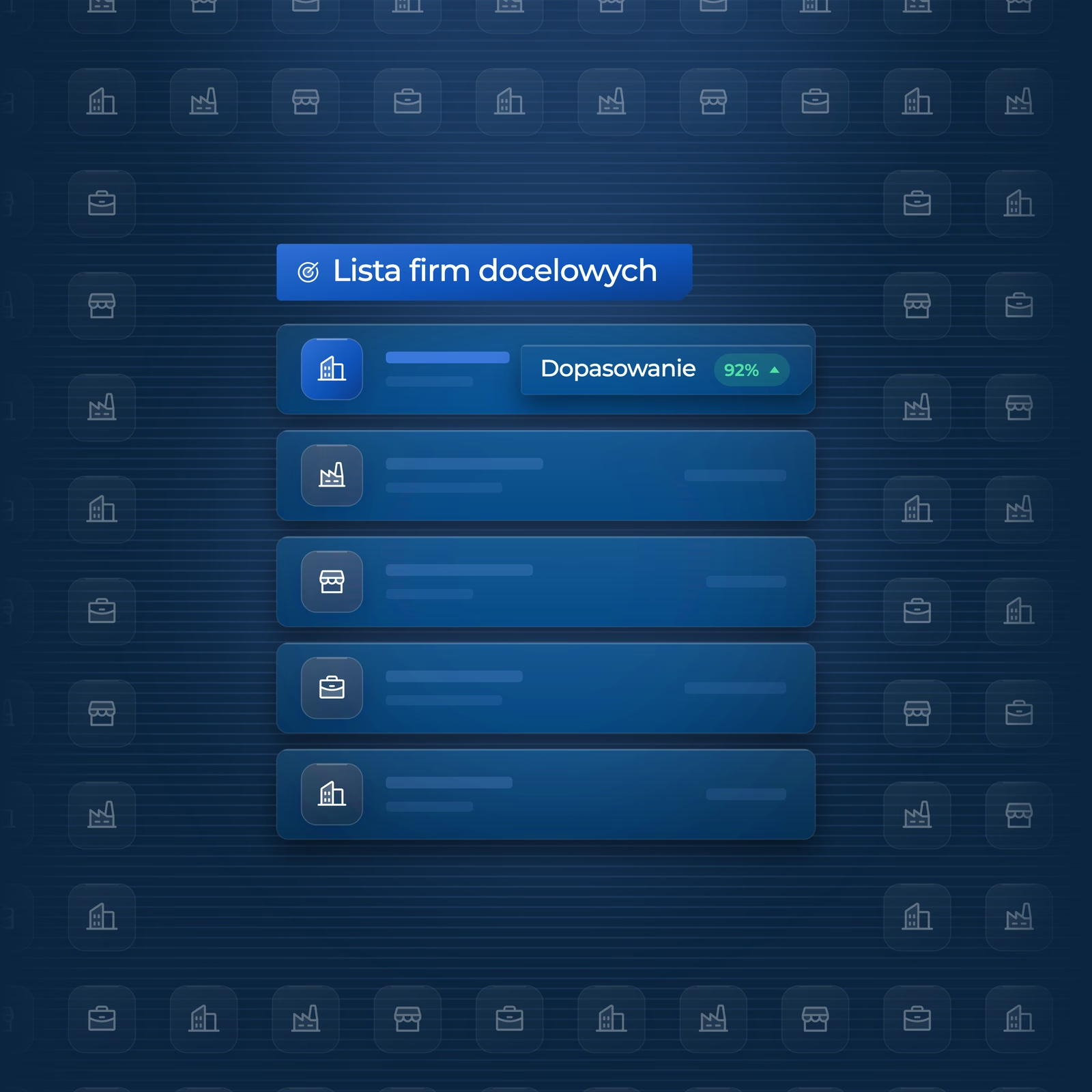
Target account list
Together with your sales team, we choose the companies that best fit your offer and have the greatest potential. Every campaign starts with this list.
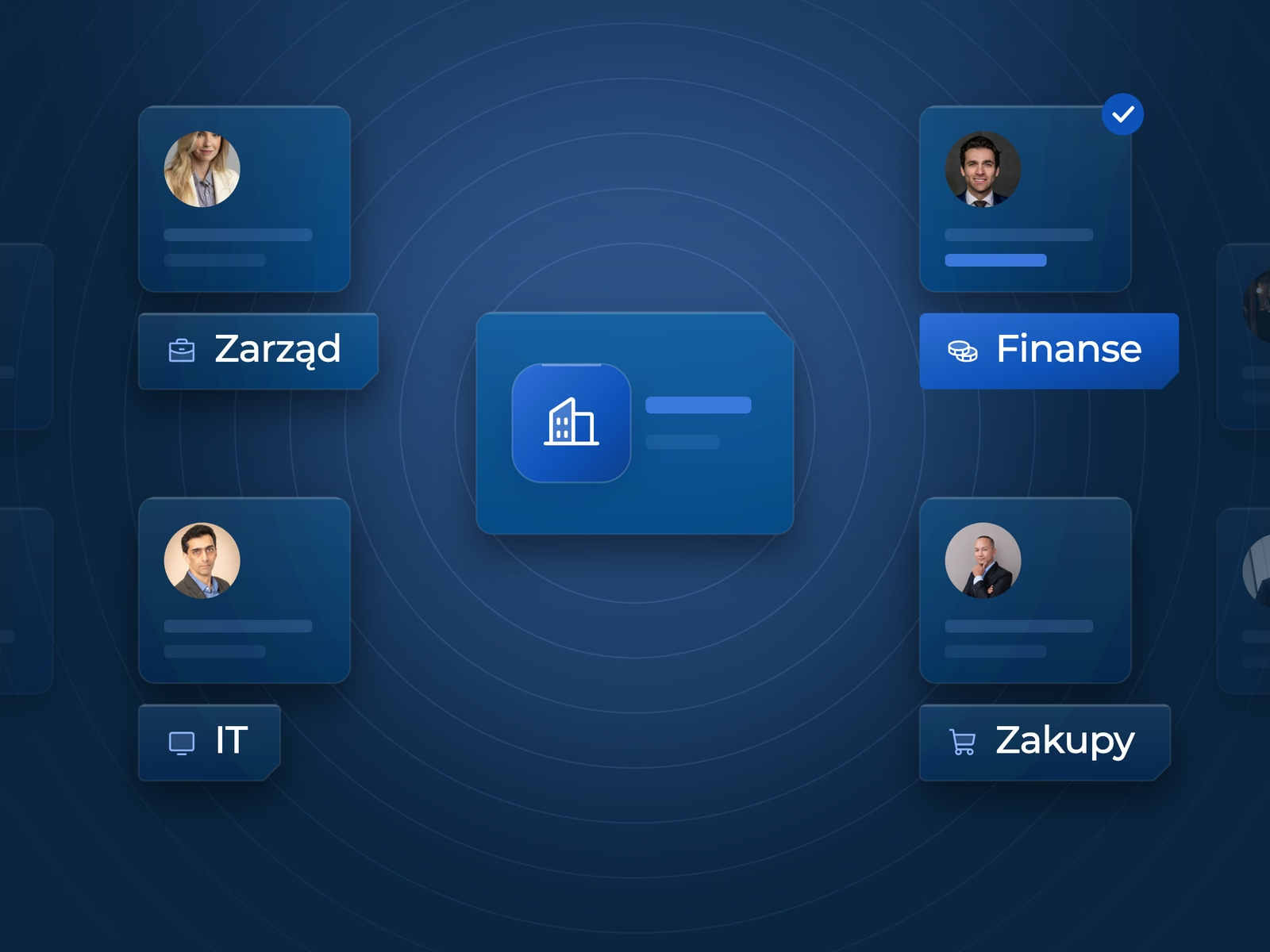
Decision-maker map
Several people usually take part in a purchase decision at each company. We establish who they are and what matters to each of them.
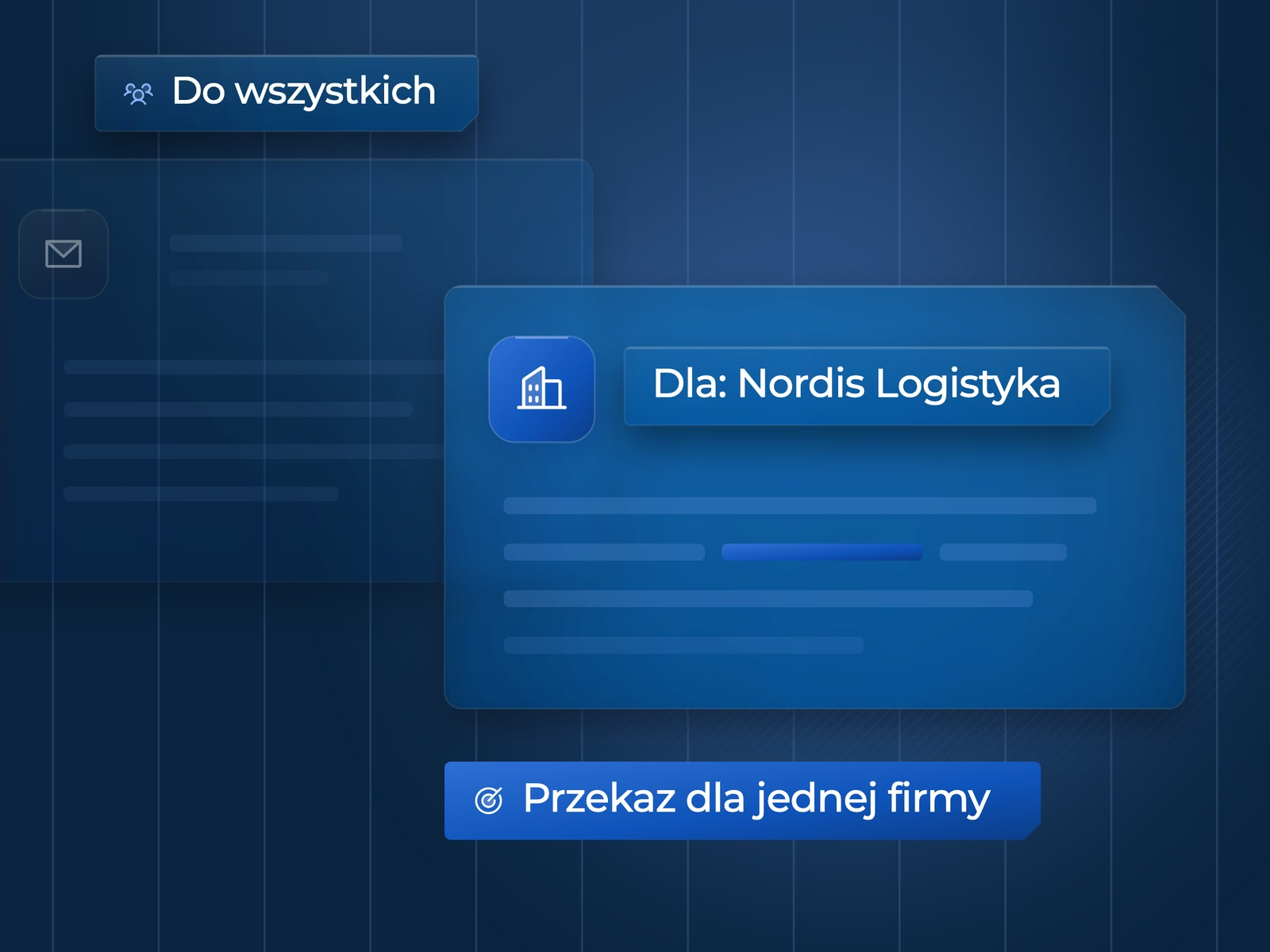
Message tailored to the company
Content, offers and messages refer to the situation of a given company.
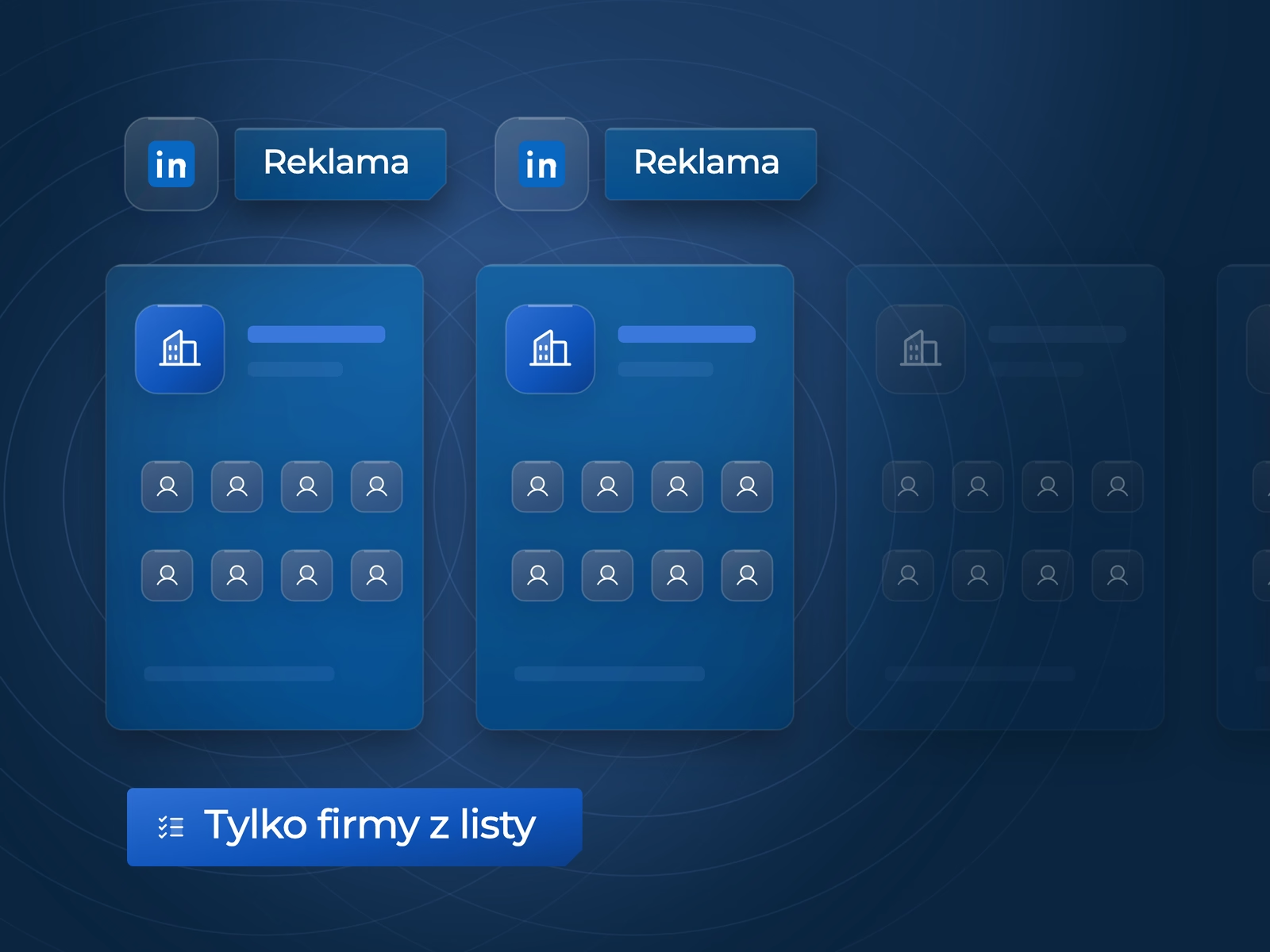
Ads only for selected companies
We show LinkedIn and other channel campaigns only to people working at companies on the list.
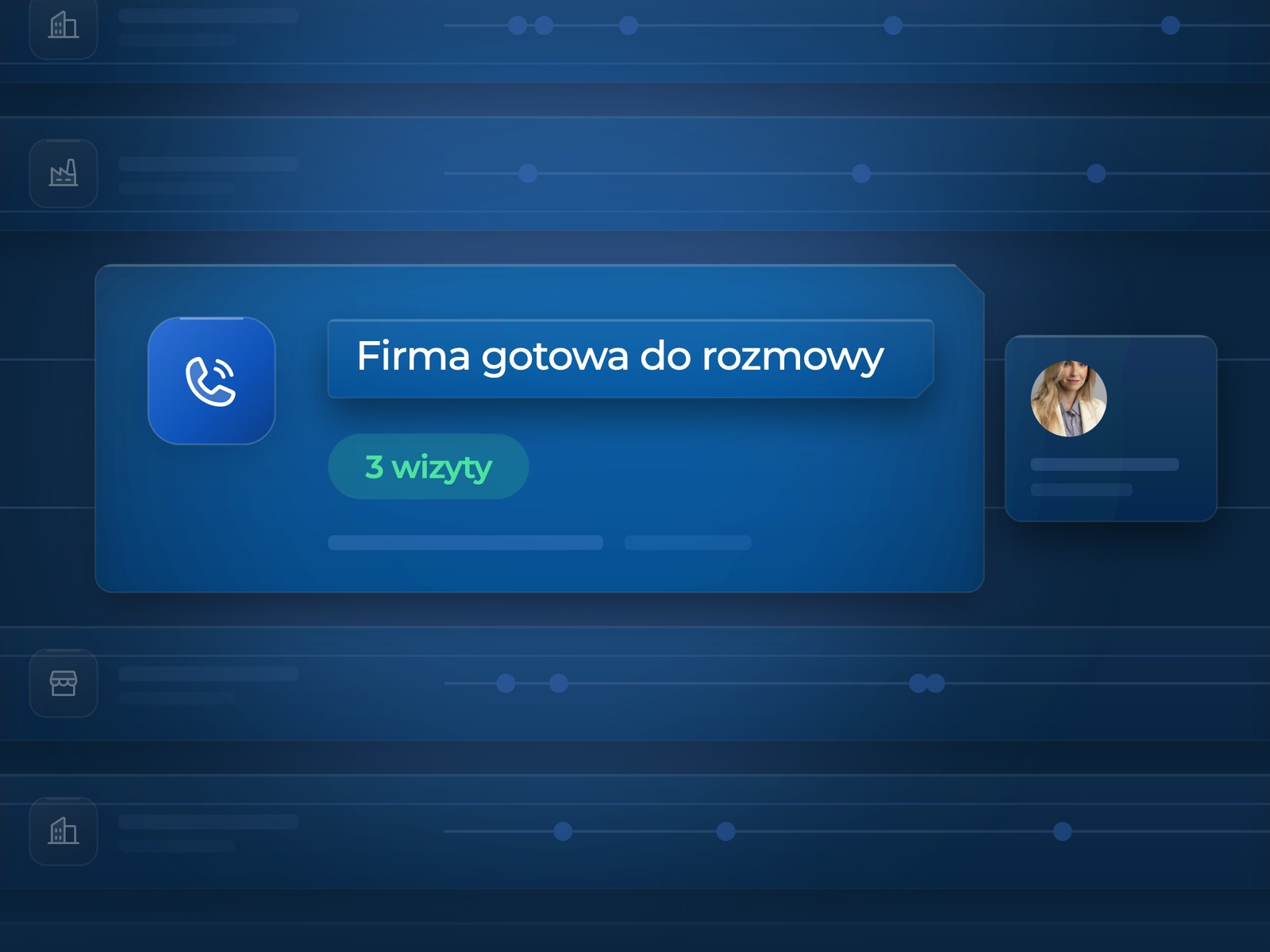
Marketing and sales together
Sales reps see which companies are engaged and when it is worth reaching out. Both sides work from one plan.
What B2B companies come to us with
These are the problems companies raise with us most often, and how we solve them.
We have a few dozen companies we want to work with, but we can't get through to them.
What we do about itWe identify the decision-makers at each of these companies and reach them with content and ads before a sales rep calls.
Campaigns bring in plenty of leads, but not from the right companies.
What we do about itWe start with a list of companies and only then build campaigns aimed just at them.
Marketing and sales have different goals and different lists of companies.
What we do about itWe agree on a shared list of companies, shared goals and rules for passing contacts from marketing to sales.
The sales cycle lasts months and many people have to agree.
What we do about itWe prepare messages matched to the role each person plays in the buying committee and reach all of them.
Is ABM right for your company?
ABM works in specific situations. Before we recommend it, we assess together with you whether it makes economic sense for your company.
ABM makes sense when
- You sell high-value deals
- You have dozens or hundreds of potential clients
- Several people make the decision and the sales cycle lasts months
- You have a sales team ready for strategic conversations
Other activities are better to start with when
- You sell a cheap or mass-market product
- You have no defined ideal customer profile
- You need a large number of inquiries quickly
- You have no sales reps to lead the conversations
How we measure ABM results
In ABM we assess how selected companies engage and whether it translates into sales. The number of leads is not the main measure here.
- 01
Engaged companies
- How many companies on the list get in touch with marketing
- Visits, content views and participation in events
- 02
Reach among decision-makers
- How many people we reach at each company
- Whether we know all participants in the decision
- 03
Meetings and sales opportunities
- How many companies on the list talk to sales reps
- How many sales opportunities were created
- 04
Pipeline from the list of companies
- Value of sales opportunities from target companies
- We pull the data from the CRM
- 05
Deal value
- Whether deals with companies on the list are bigger
- Comparison with the average deal value
- 06
Sales effectiveness
- Share of sales opportunities won
- Time from first contact to signed contract
How we implement account-based marketing
We first select companies and decision-makers, and only then launch campaigns.
-
Selecting companies and ICP
Together with the sales team we describe the ideal customer profile and choose companies for the campaign.
Resulttarget account list
Step 1
-
Decision-makers and company situation
At each company we identify the people involved in the decision and check the company's situation: challenges, management changes, new investments, so we can choose the timing and topic of contact.
Resultbuying committee map
Step 2
-
Messaging and campaigns
We prepare content and ads for companies on the list, and call scripts for sales reps.
Resultcampaigns aimed only at selected companies
Step 3
-
Measurement and optimization
We track company engagement, pass sales signals to reps and update the list based on results.
Resultpipeline from selected companies
Step 4
Companies that grow with us
-
 Stara Wieś Resort & OdnowaTourism
+1199%conversion value off-season
In season, conversion value rose by 160%, and off-season more than twelvefold. The resort now sells all year round.
View case study -
 UX solutions leaderB2B
1m USDcontract from a demand generation campaign
A demand generation campaign for a European market leader brought threefold growth and a USD 1m contract.
View case study -
 Coffee & SonsE-commerce
>1100%campaign ROAS in Q4
Campaigns built for the most important quarter of the year in specialty coffee sales.
View case study -
 Coffee & SonsE-commerce
>610%return on ad spend
Education about specialty coffee became the most effective sales channel for a family roastery.
View case study -
 Coffee & SonsE-commerce · SEO
+203%keywords in the Google TOP 10
A year of work on the visibility of a specialty coffee store in search results.
View case study -
 Coffee & SonsE-commerce
+180%budget YoY at ROAS >520%
Scaling ad spend without losing ROAS.
View case study -
 BLPaczkaB2B
VAT ID (NIP) validation that transformed a B2B campaign for a parcel shipping tool from the Base.com Group.
View case study -
 Moderno MebleE-commerce
How an upper mid-range furniture brand moved from dependence on marketplaces to brand-led growth.
View case study -
 Software houseIT / software house
120k USDrevenue in 2 months
An ABM strategy and a LinkedIn campaign opened foreign markets: 11 leads and 4 sales.
View case study
What else will strengthen ABM
ABM works best together with demand building and a well-configured CRM.
Demand generation
Building demand across the whole target group supports ABM campaigns.
Learn more about demand generationB2B and SaaS marketing
Campaigns that collect inquiries from companies outside the list who are ready to buy.
Learn more about B2B marketingHubSpot implementation
A CRM where marketing and sales see the same companies and their level of engagement.
Learn more about HubSpot
Questions about account-based marketing
Answers to the questions we hear most often before starting work together. If your question isn't here, write to us.
Ask a questionWhat is account-based marketing?
Account-based marketing (ABM) is a B2B marketing strategy. You choose target companies and run personalized activities for them. Marketing and sales work from a shared list of companies and shared goals.
How does ABM differ from traditional B2B marketing?
Traditional marketing starts with a broad campaign and collects leads that sales then assesses. ABM reverses the order: first you choose companies, then you reach their decision-makers with messages matched to their situation.
Who is ABM for?
ABM is for B2B companies that sell high-value solutions, have long sales cycles and many decision-makers on the client side. It works with several dozen or several hundred potential clients.
What types of ABM are there?
There are three levels: one-to-one (a strategy for one selected company), one-to-few (a campaign for several to a dozen or so similar companies) and one-to-many (personalization for a larger group by industry and size).
How many companies should be on an ABM list?
It depends on the type of ABM and your sales team's capacity. One-to-one means a few companies, one-to-few a dozen or so, and one-to-many even several hundred. The key is a match with the ideal customer profile.
What is an ICP in ABM?
ICP (ideal customer profile) is a description of the company that fits your offer best: industry, size, market, situation and problems. We use it to choose companies for the ABM list.
Which channels does ABM use?
We most often use LinkedIn (ads and organic activity), personalized emails and websites, events and webinars. We also prepare materials for sales reps, and sometimes send physical mail. We choose channels based on where the decision-makers from the list are.
How do you measure ABM results?
We measure engagement of companies on the list, reach among decision-makers, the number of meetings and sales opportunities, pipeline from target companies, deal value and sales effectiveness.
When do ABM results show?
The first signs of engagement from companies on the list appear once a campaign is launched. Deals take as long as a typical sales cycle in your industry, often several months.
Will ABM replace lead generation campaigns?
It doesn't have to. ABM covers the most important companies, while lead generation and demand generation campaigns collect inquiries from the wider market. Many companies get the best results by combining both approaches.
What is the difference between account-based marketing and account-based selling?
Account-based marketing is marketing aimed at selected companies: content, ads and events. Account-based selling is sales reps working with the same companies: meetings and conversations with the buying committee. They work best together, on a shared list of companies.
How do you prepare an ABM strategy step by step?
We start with the ideal customer profile and a list of companies. Then we map the buying committee at each of them and gather information about its situation. Based on this we prepare messages, choose channels and metrics, and set the schedule. Marketing and sales work on each company together.
How do you choose an agency for account-based marketing?
Check whether the agency starts with strategy and a list of companies before launching campaigns. Look at whether it connects marketing with sales and the CRM, and whether it prepares content for different people in the buying committee. It's also important that it measures results at the company level.
How much does account-based marketing cost?
The cost depends on the type of ABM, the number of companies on the list, the channels and the amount of content prepared. We will set the scale and prepare a quote during the first, free call.
Is a long-term contract the only option?
ABM requires at least several months of work, and the notice period is two months. You can also start with a growth audit and strategy.