Marketing strategy, that gives direction to your actions
We bring your company's goals, channels and communication into one plan. Each campaign has a defined task and a measure of success in it.
A free 30-minute call, with no obligation


We start marketing with strategy
We work from the general to the specific: first strategy, then a plan for the coming months, and finally campaigns.
Strategychanges rarely
Defines the market, audience, brand position and success measures.
Planset for the coming months
A few priorities, each with its own goal and deadline.
Campaignsreviewed during delivery
Activities in selected channels, e.g. Google, Meta, LinkedIn or TikTok.
What you get from the strategy
You receive a working document that you use for marketing decisions.
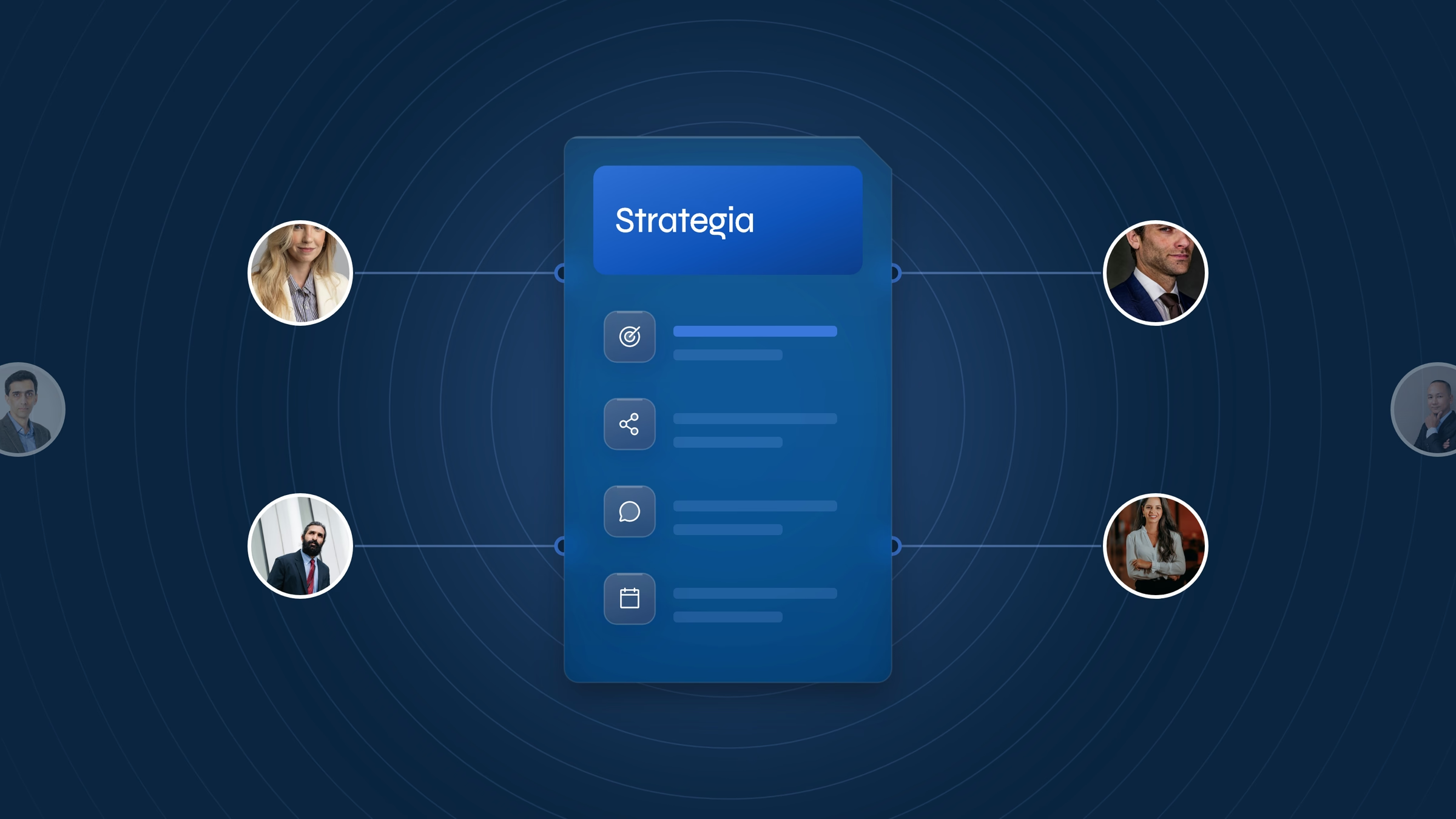
Marketing strategy document
All strategic decisions in one place, available to your team and partners.
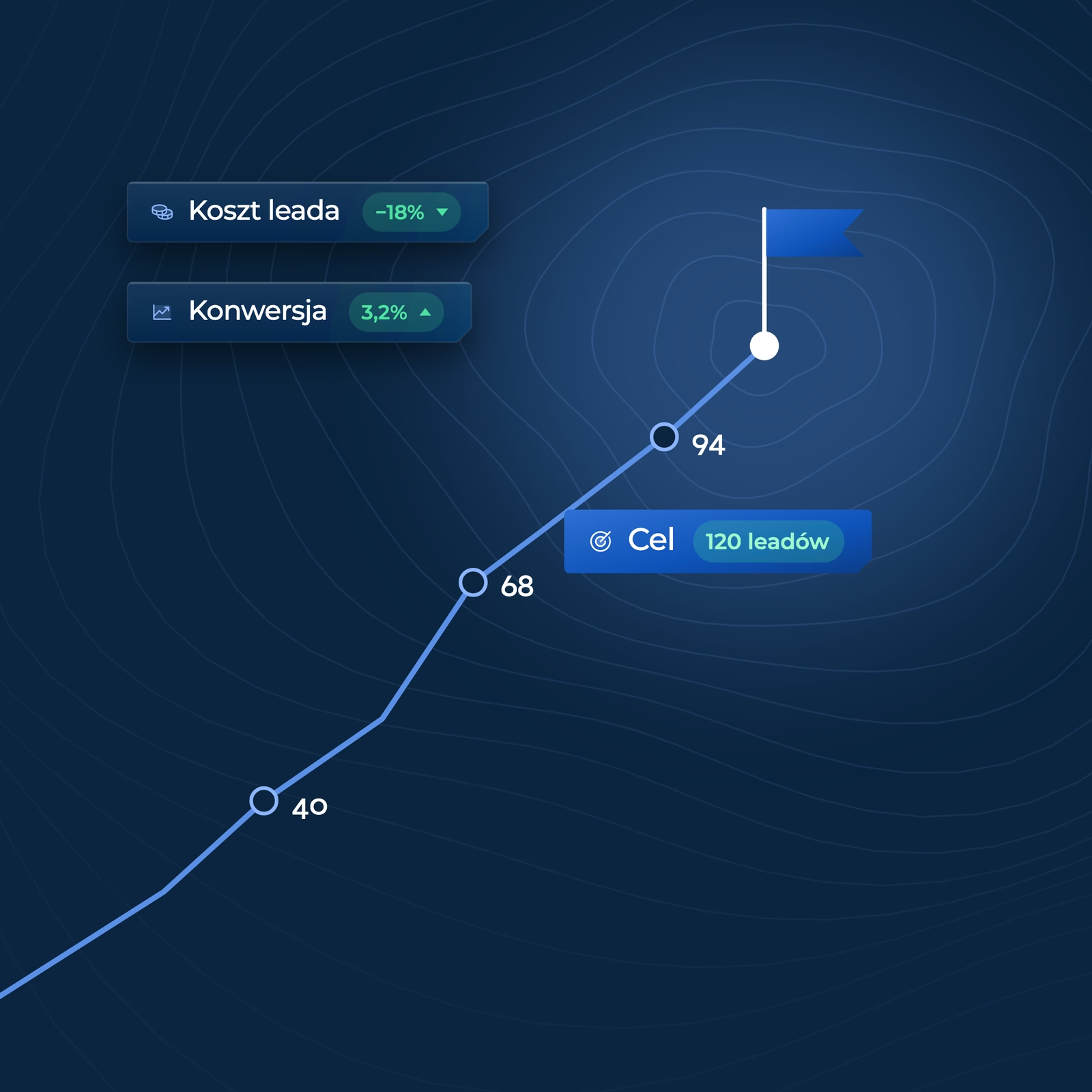
Goals and success measures
Business goals translated into measures against which you will judge the effectiveness of your marketing.
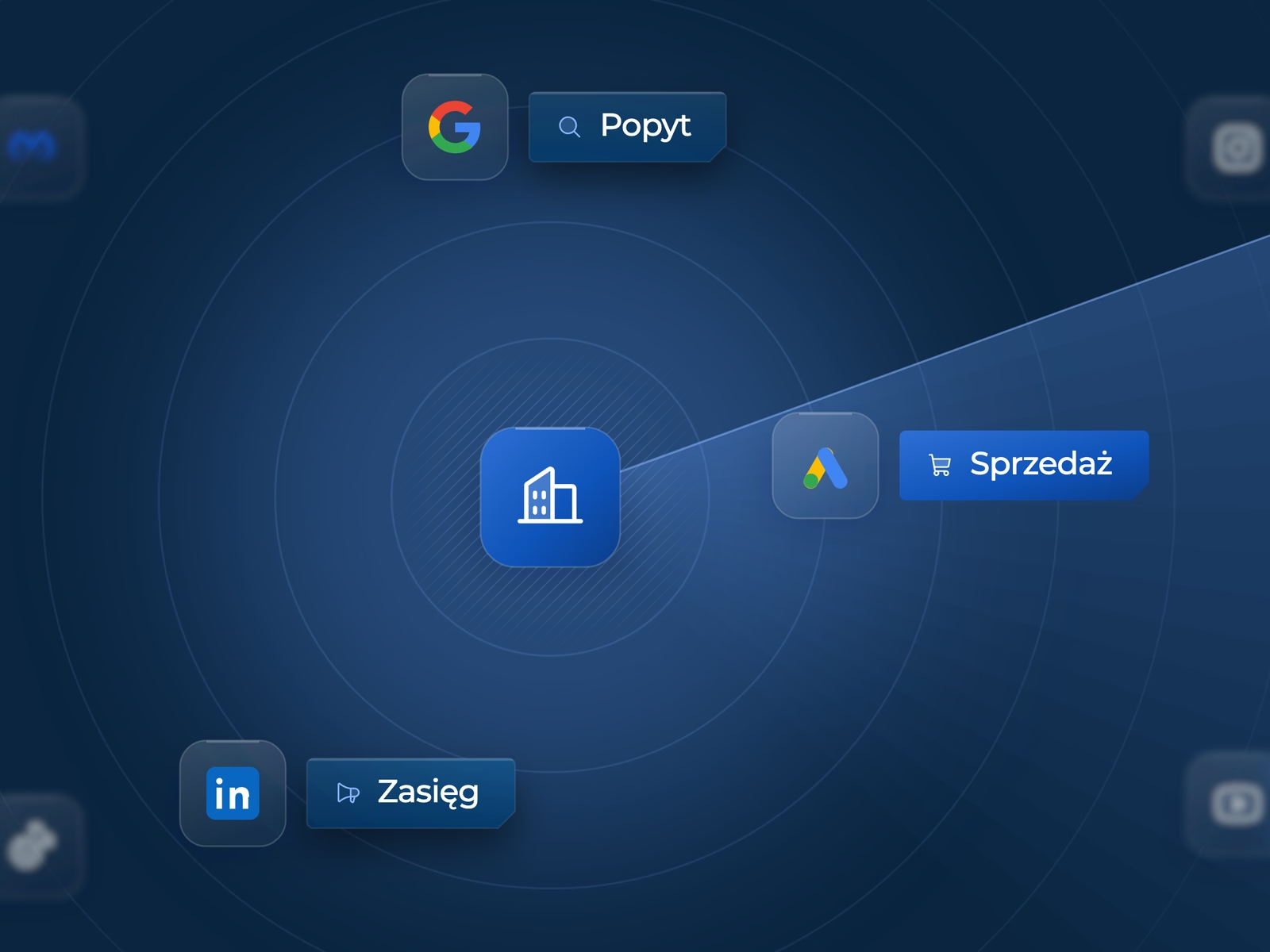
Channels and their roles
The order in which channels are developed and the task each one has.
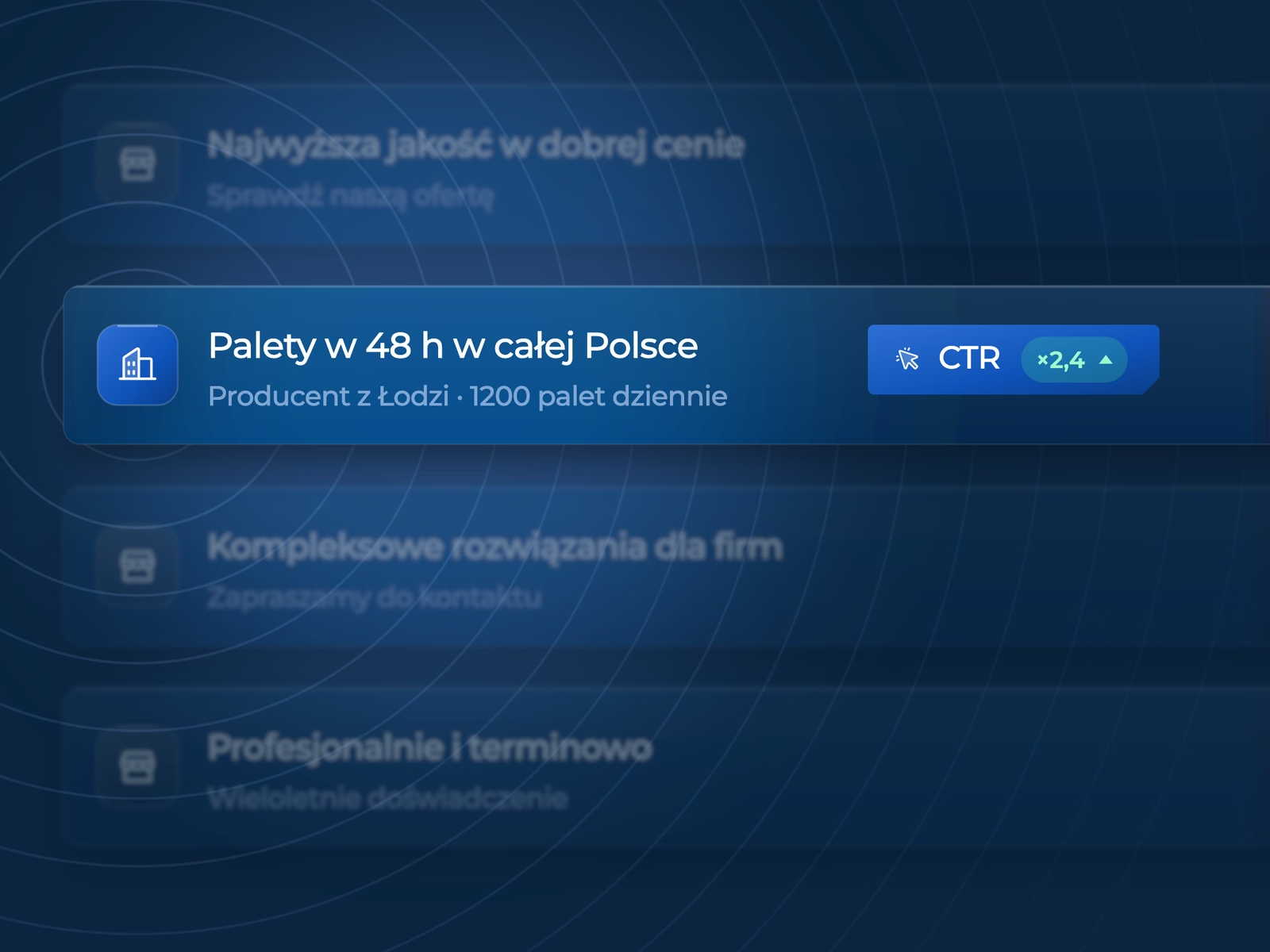
Communication direction
The brand promise, tone of voice and content topics that set you apart from competitors.
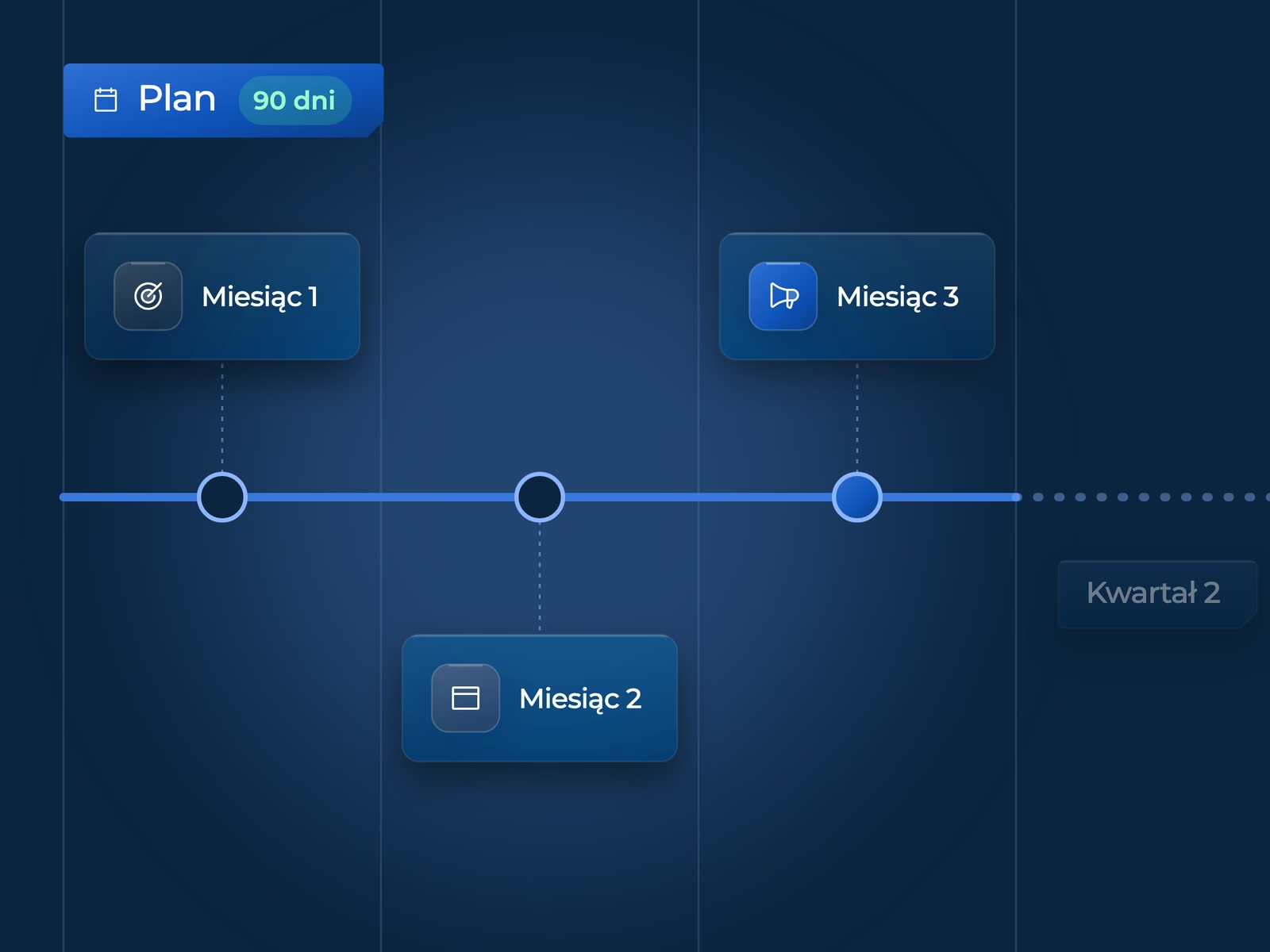
A 90-day plan and beyond
Priorities for the next three months and the direction of activities for the coming quarters.
What your company gains
A strategy changes the way a company plans marketing and makes decisions.
Budget goes to the right channels
You direct money to channels that fit your company and increase spending where the results justify it.
Results ina better-used budget
Faster decisions
The team knows the priorities, so it assesses new campaigns and ideas against shared criteria.
Results inless time spent on alignment
One brand in every channel
Ads, website, social media and sales people deliver the same message, so customers more easily understand why they should choose your company.
Results ina consistent message across all channels
Measurable results of activities
Each activity has a goal and a measure, so it's easy to see which ones affect sales.
Results inreports with measures tied to goals
Companies that grow with us
-
 Stara Wieś Resort & OdnowaTourism
+1199%conversion value off-season
In season, conversion value rose by 160%, and off-season more than twelvefold. The resort now sells all year round.
View case study -
 UX solutions leaderB2B
1m USDcontract from a demand generation campaign
A demand generation campaign for a European market leader brought threefold growth and a USD 1m contract.
View case study -
 Coffee & SonsE-commerce
>1100%campaign ROAS in Q4
Campaigns built for the most important quarter of the year in specialty coffee sales.
View case study -
 Coffee & SonsE-commerce
>610%return on ad spend
Education about specialty coffee became the most effective sales channel for a family roastery.
View case study -
 Coffee & SonsE-commerce · SEO
+203%keywords in the Google TOP 10
A year of work on the visibility of a specialty coffee store in search results.
View case study -
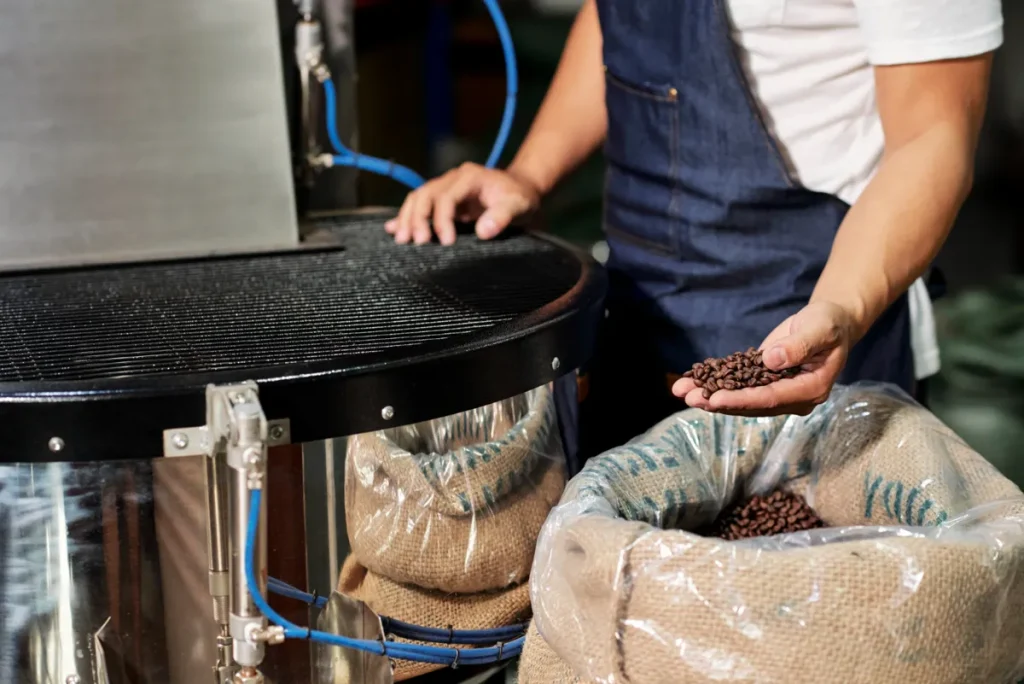 Coffee & SonsE-commerce
+180%budget YoY at ROAS >520%
Scaling ad spend without losing ROAS.
View case study -
 BLPaczkaB2B
VAT ID (NIP) validation that transformed a B2B campaign for a parcel shipping tool from the Base.com Group.
View case study -
 Moderno MebleE-commerce
How an upper mid-range furniture brand moved from dependence on marketplaces to brand-led growth.
View case study -
 Software houseIT / software house
120k USDrevenue in 2 months
An ABM strategy and a LinkedIn campaign opened foreign markets: 11 leads and 4 sales.
View case study
How we work on the strategy
We divide the work into four stages. We discuss the findings from each stage with you before moving on.
-
Diagnosis and context
We analyze the market, competitors, audience, and your past activities and their results.
Resulta picture of the market and current activities
Step 1
-
Positioning and direction
We define the brand's position, its promise, advantages and tone of communication. These decisions are the basis for the next stages.
Resultthe brand's promise and advantages
Step 2
-
Choosing channels
We determine which channels suit your company, e.g. content, paid advertising, social media, SEO or email marketing.
Resultthe role of each channel in the plan
Step 3
-
Implementation plan
We set out priorities, stages and measures, and recommend tools and content formats.
Resulta plan the team can start implementing right away
Step 4
Who we prepare strategies for
We work with companies at different stages of growth and with the people responsible for marketing.
New brands
For brands entering the market that want to build their marketing on well-considered foundations from the start.
Established companies
For companies where marketing already works, but lacks a shared direction.
Decision-makers
For people who are responsible for marketing direction and budgets and need a basis for spending decisions.
Questions about marketing strategy
Answers to the questions we hear most often before starting work together. If your question isn't here, write to us.
Ask a questionOur marketing already works. Do we need a strategy?
If you publish content and run campaigns, but it's hard to tell what comes of them, a strategy is often the missing element. It doesn't replace activities; it organizes them and gives them a shared goal.
How does a strategy differ from an action plan or a campaign?
A strategy explains why, for whom and for what purpose we act. A plan defines what we do, and a campaign defines how and when. Without a strategy, activities may be operationally correct but inconsistent and focused on the short term.
Is a strategy one document or a process?
A strategy is a process whose result is a document. The document itself has value only when it organizes decisions and serves you as a point of reference in day-to-day work.
Does a strategy limit a company's flexibility?
No. When priorities are clear, it is easier to respond to change, because you don't have to start from scratch every time.
How often should a marketing strategy be updated?
A strategy is worth updating when the market, product, business model or your growth goals change. It is a point of reference that grows along with the company.
Does a strategy guarantee results?
No. A strategy organizes decisions and keeps them consistent. Results depend on consistent delivery, testing and optimization, and the strategy helps you judge which activities bring results.