Conversion rate optimization, more sales
We check where on the site customers hesitate and test changes. We roll out the ones that bring more sales and inquiries without raising your ad budget.
30-minute call, free and with no obligation


What conversion rate optimization is
Conversion rate optimization (CRO) is the work of getting a larger share of website visitors to buy or send an inquiry.
How it works
We start with data: analytics, heatmaps, session recordings and surveys show where customers hesitate. For each problem we prepare a change and check it in an A/B test on part of the traffic. We roll out the version that performs better.
When CRO delivers more than ads
When traffic is already there but sales are not growing. Raising conversion from 1% to 1.5% brings the same sales as an ad budget 50% bigger. Such a change stays on the site permanently and also works for traffic from SEO, newsletters and referrals.
How to tell conversion is the problem
If your data shows any of these situations, more ads will not solve the problem.
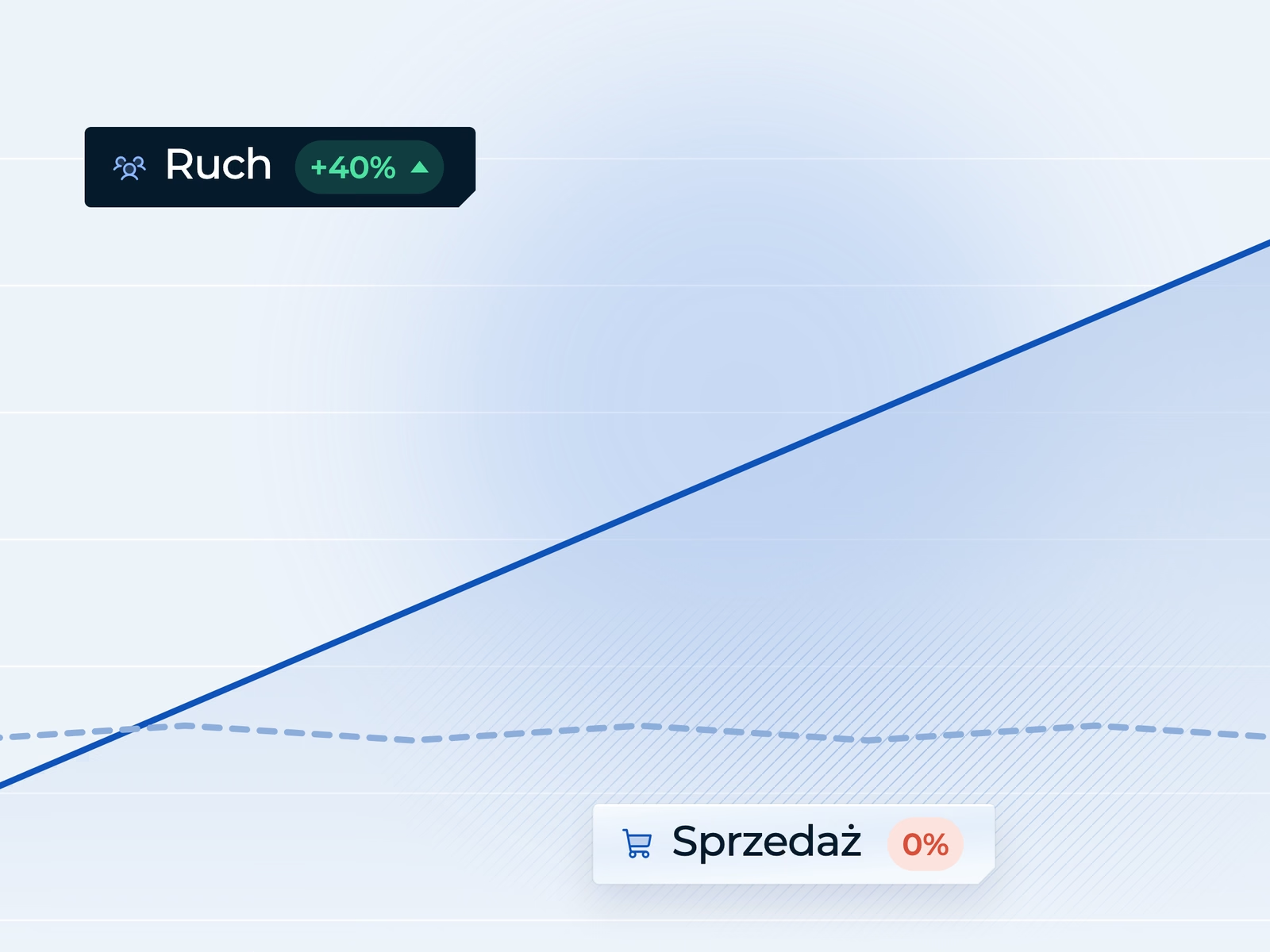
Traffic grows, but sales do not
Ads and SEO bring more visits, but the number of orders and inquiries stays the same.
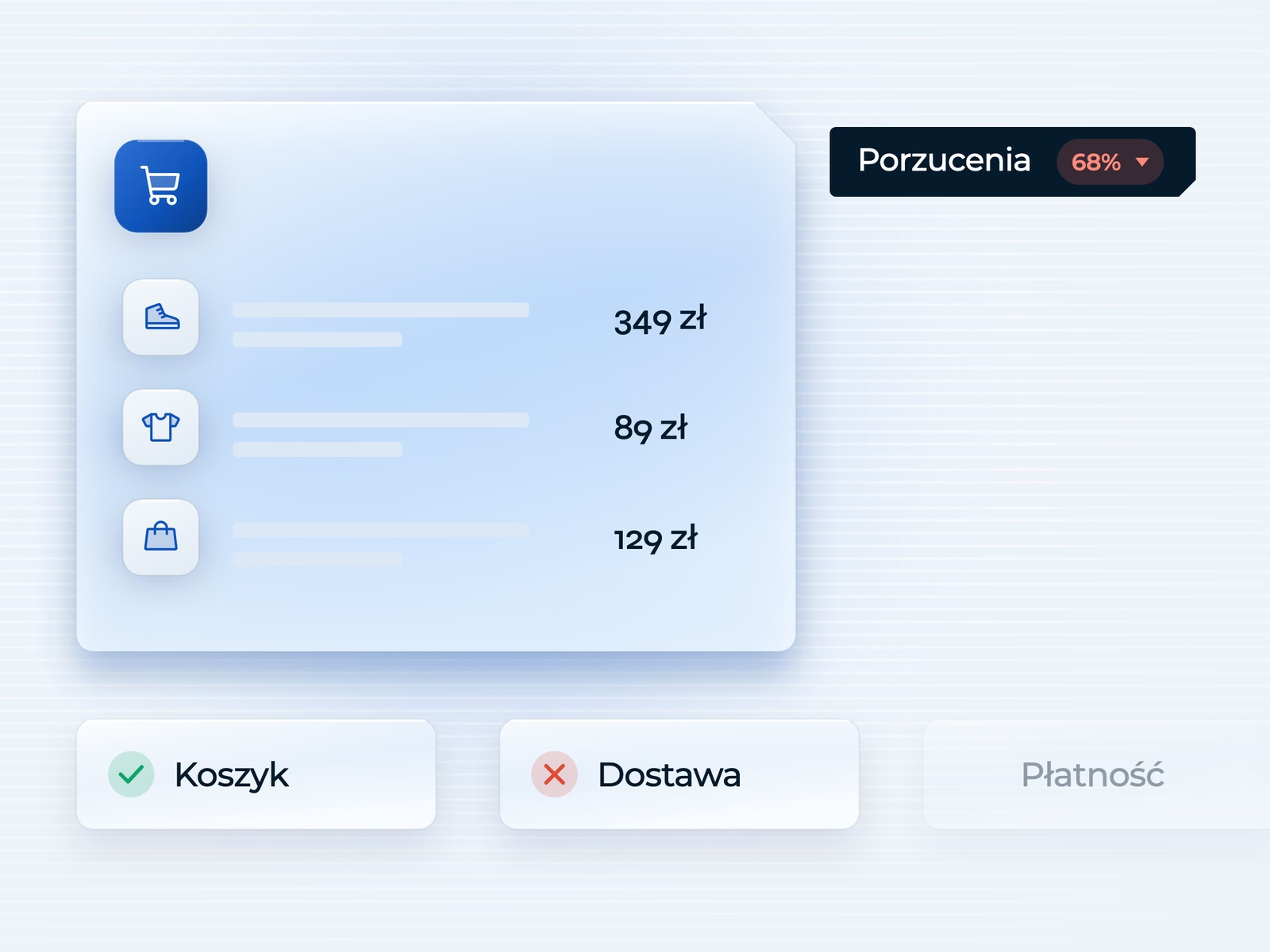
Customers drop out in the basket
The product lands in the basket, but the purchase does not go through. The most common causes are delivery costs, a forced account sign-up or payment problems.
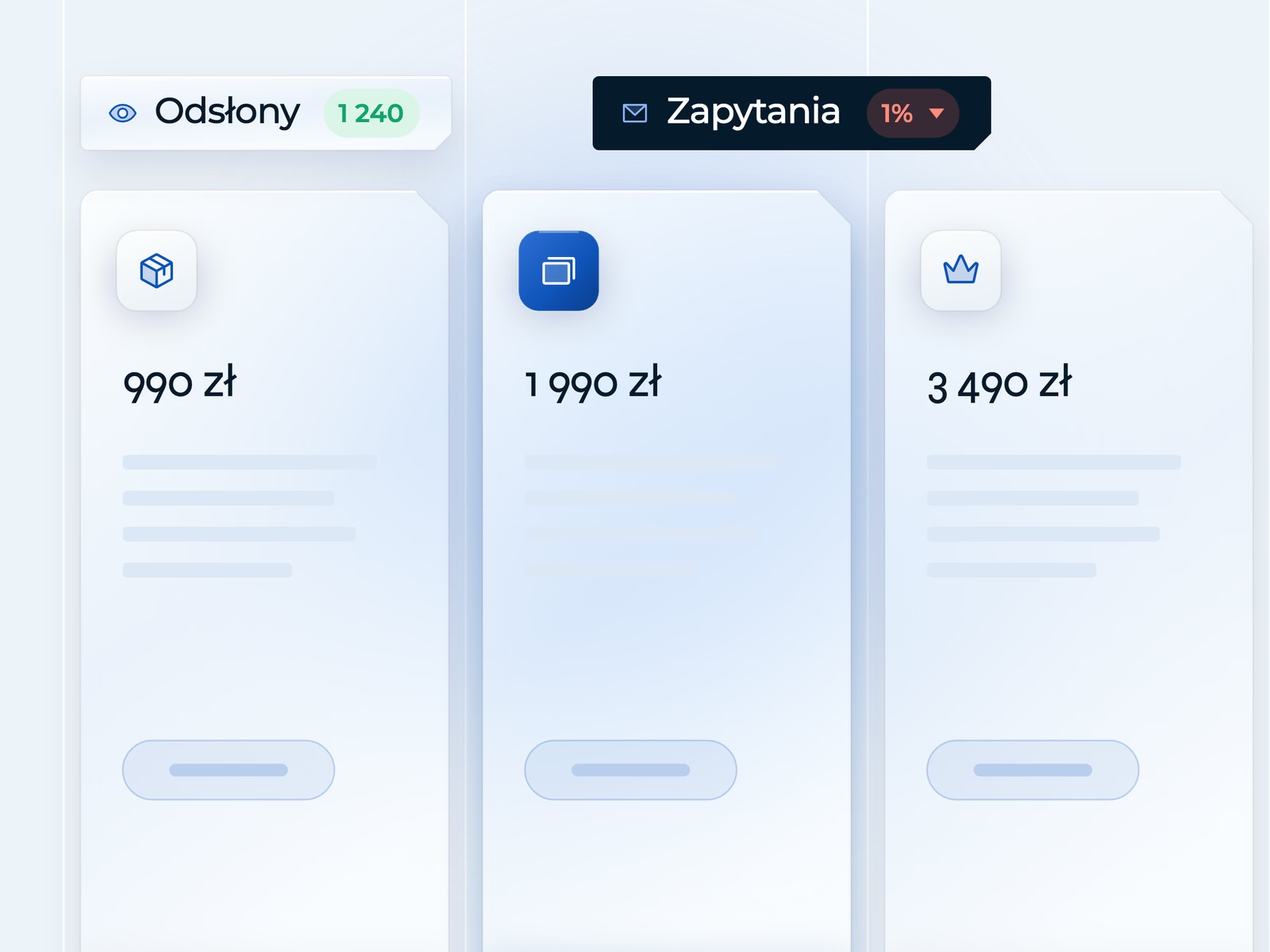
Many visits to the pricing page, few inquiries
Customers are close to a decision, but something holds them back: an unclear offer, a long form, or no reviews and references.
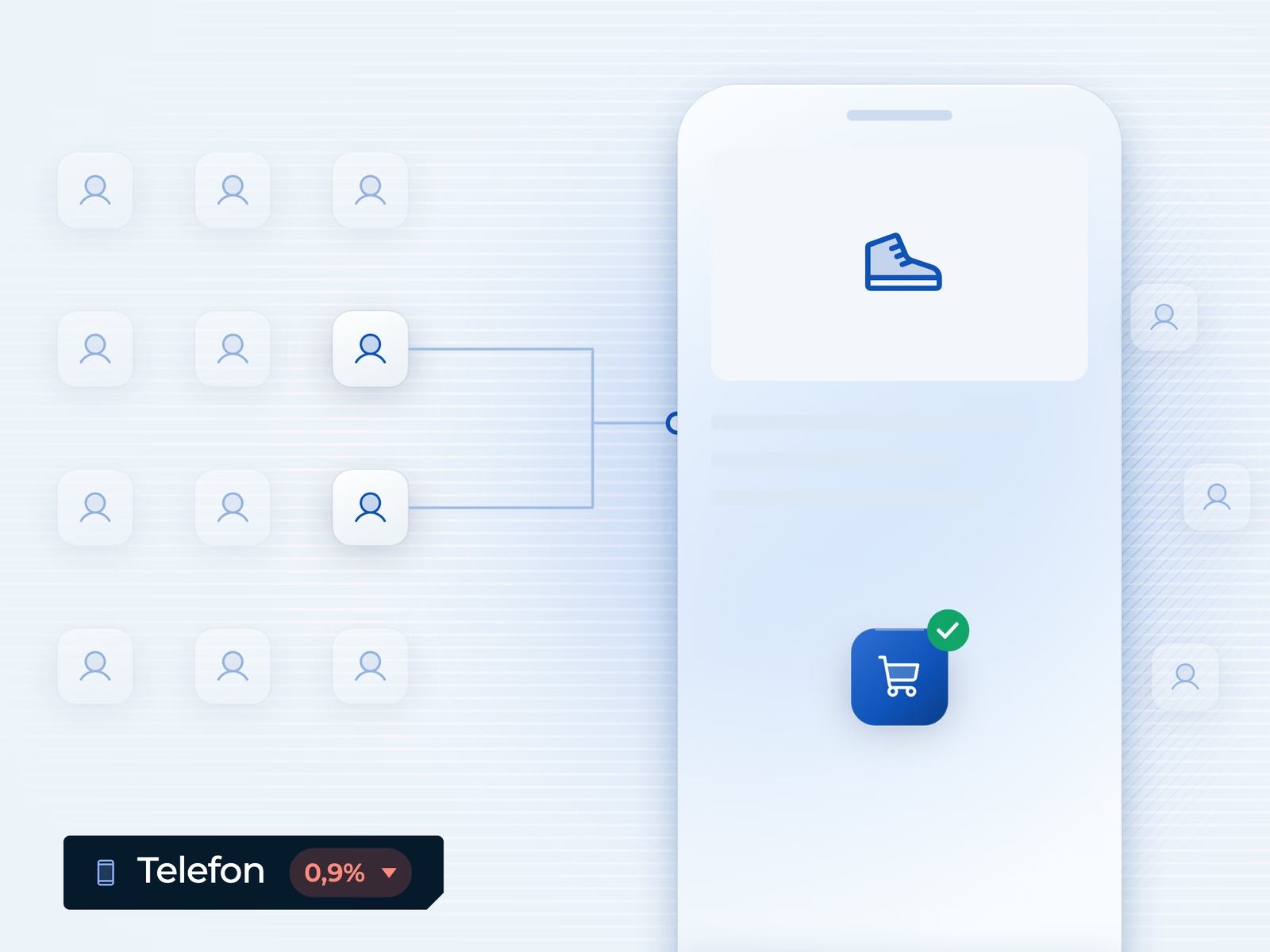
Mobile sales are lower than desktop sales
Most traffic comes from phones, and on mobile customers leave more often.
Where we look for more sales
Six places where customers most often drop out. We start with the one where, according to your data, you lose the most sales.
- 01
Product page and offer
- Photos and a description that answer questions
- Price, delivery and reviews next to the button
- Convenience on mobile
- 02
Basket and checkout
- Number of steps to purchase
- Purchase without creating an account
- Payment and delivery methods
- 03
Forms and inquiries
- Number and order of fields
- Clear error messages
- What the customer sees after sending
- 04
Campaign landing pages
- Consistency with the ad copy
- One clear goal for the page
- Loading speed
- 05
Navigation and search
- Categories and filters
- Search results
- The path from entry to product
- 06
Trust and proof
- Reviews and ratings
- Guarantees, returns and security
- Clients, certificates, case studies
How we know what to improve
The numbers show where customers drop out. To understand why, we look at the site from their perspective.
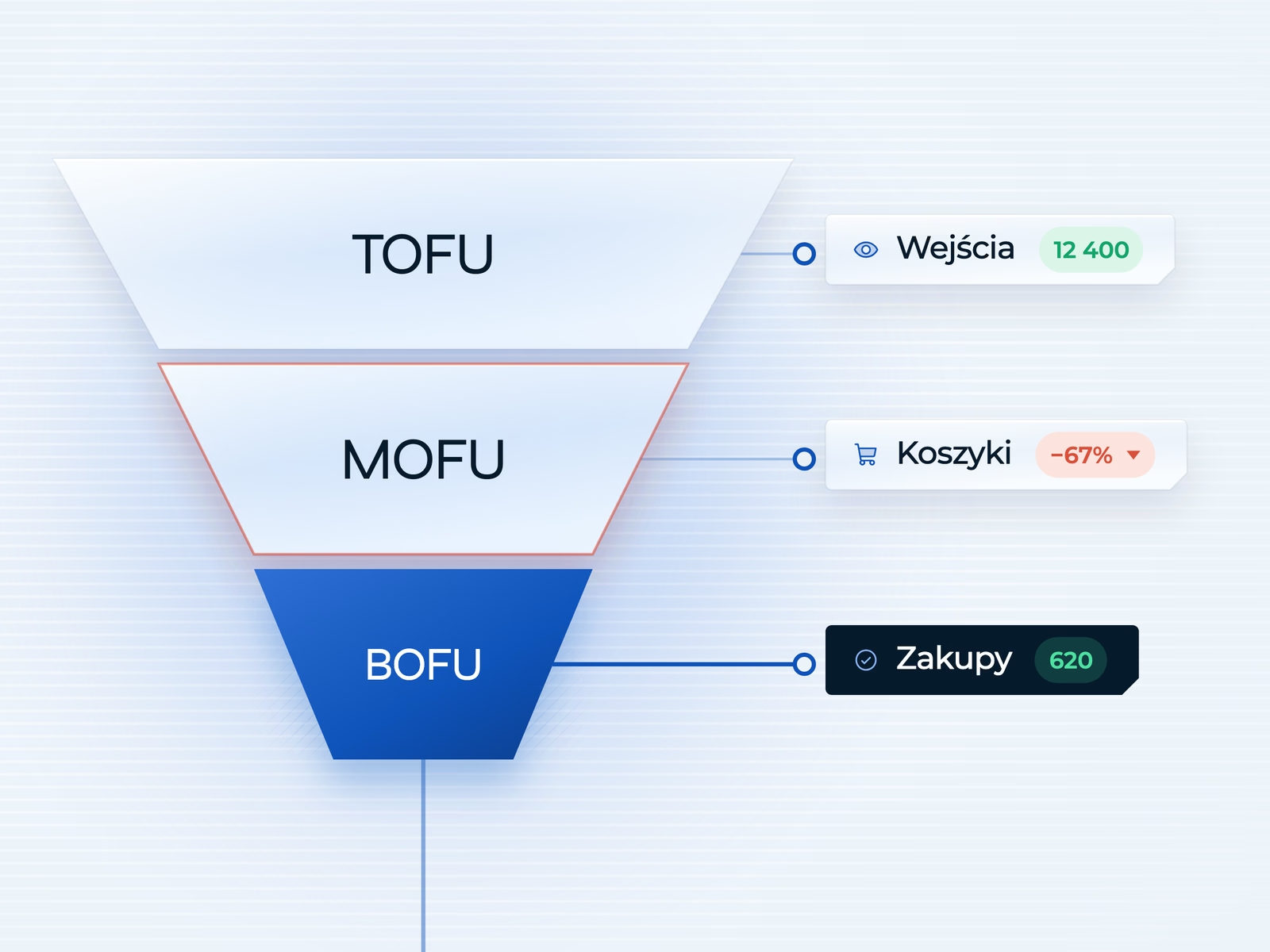
Funnel analysis
Analytics data shows which step loses the most people and on which device.
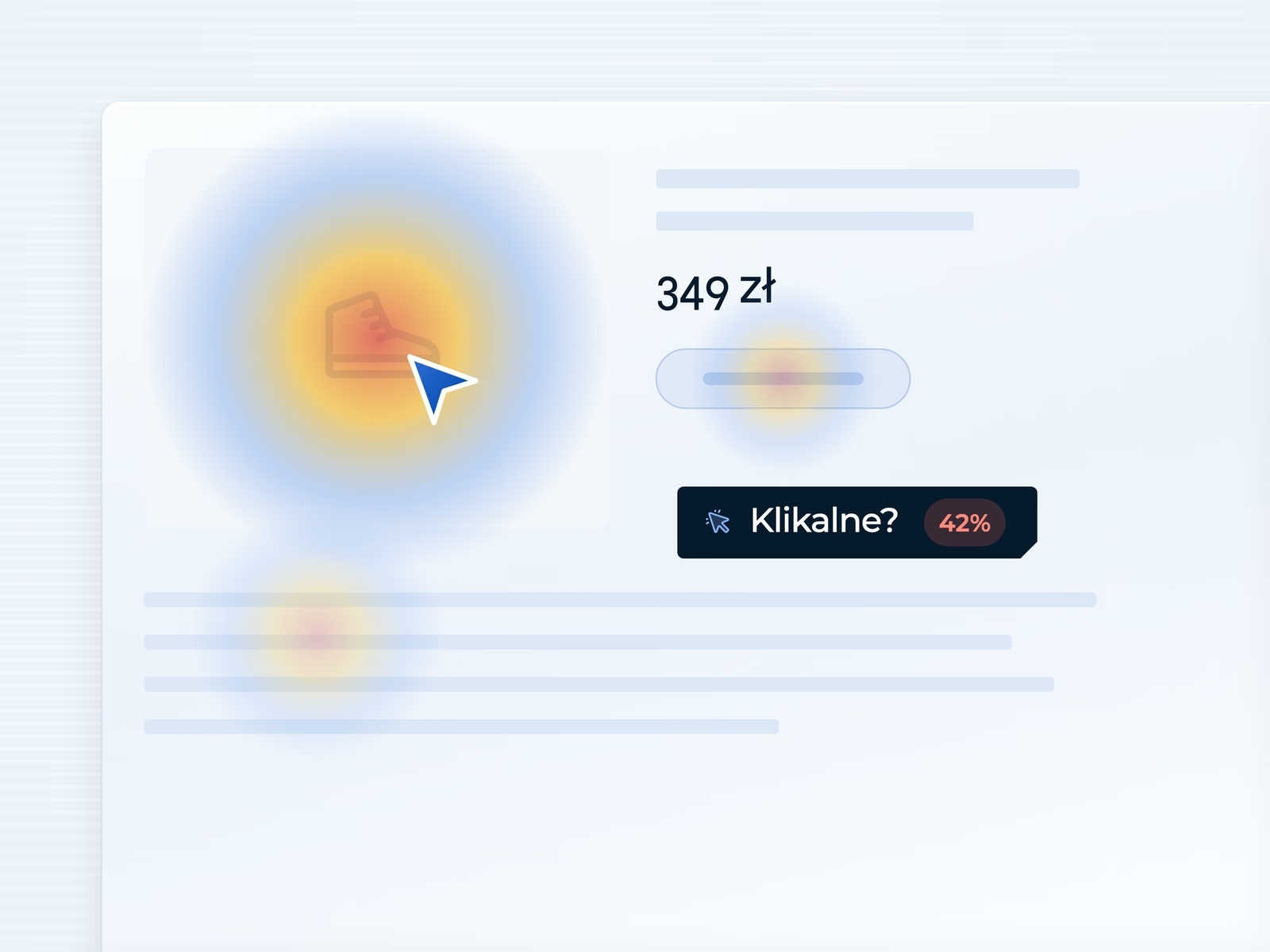
Heatmaps
They show where customers click and which elements they do not notice.
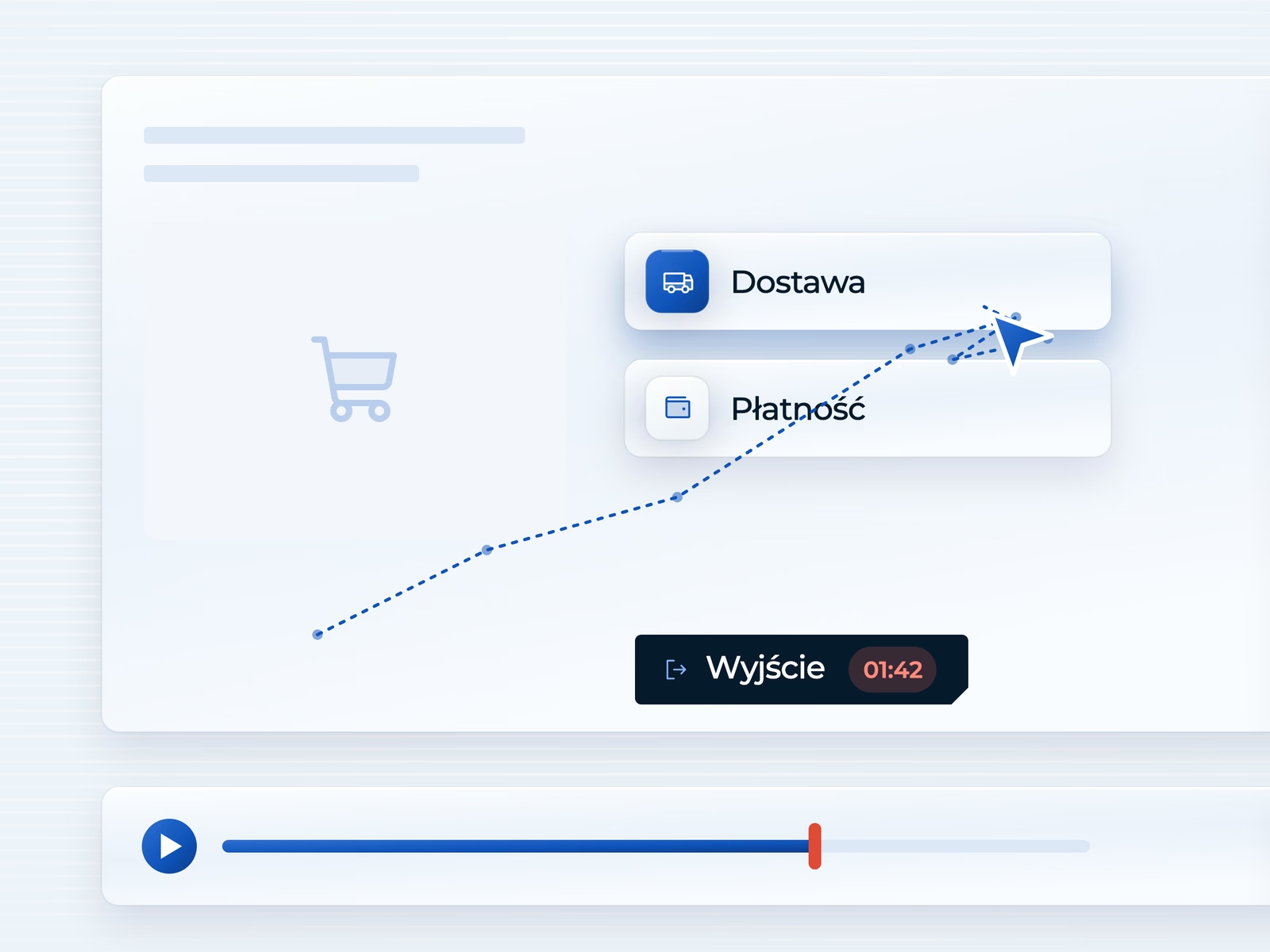
Session recordings
Recordings show where customers hesitate and at which moment they leave.
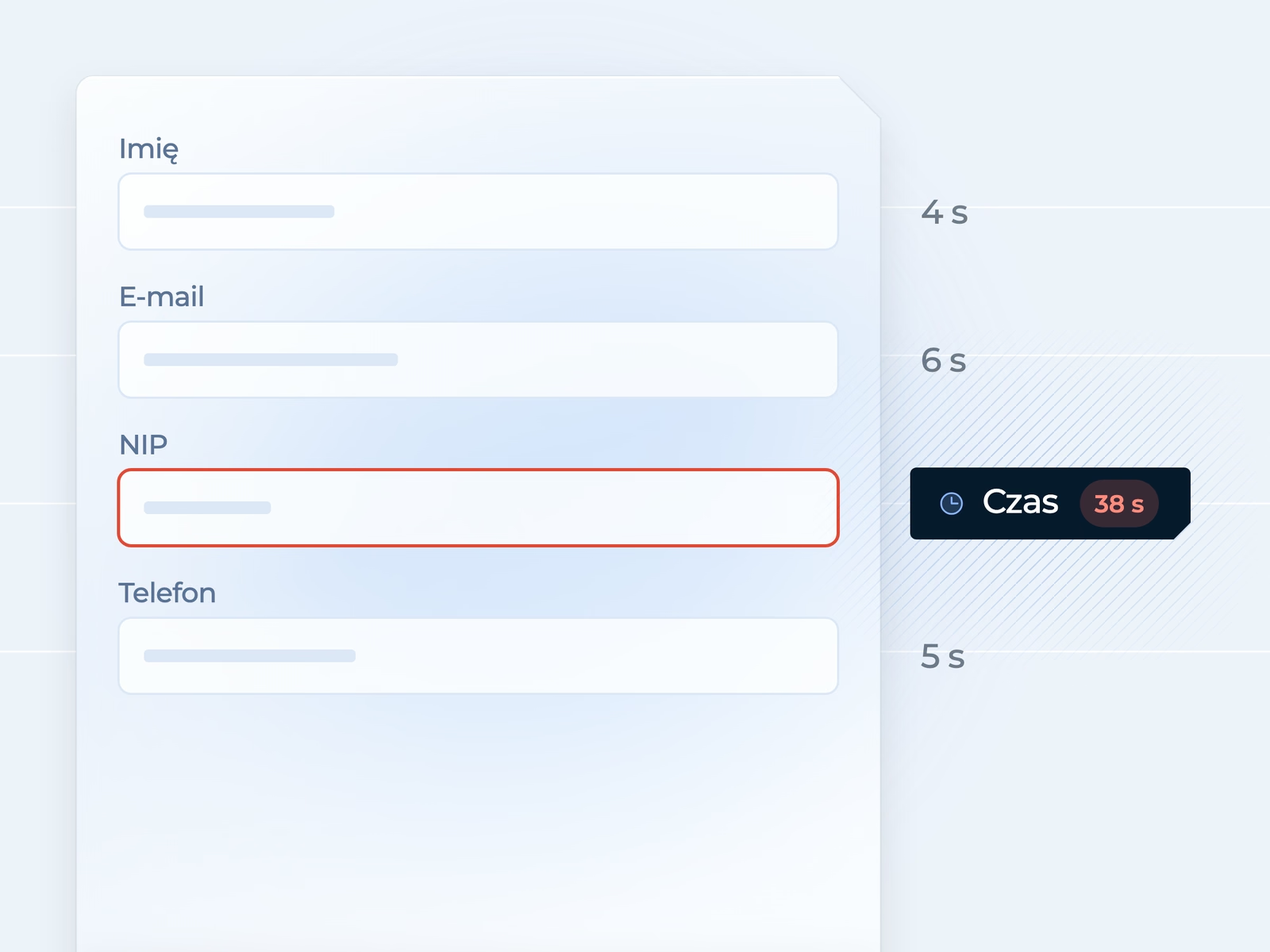
Form analysis
We check which field customers spend the most time on and which one makes them leave.
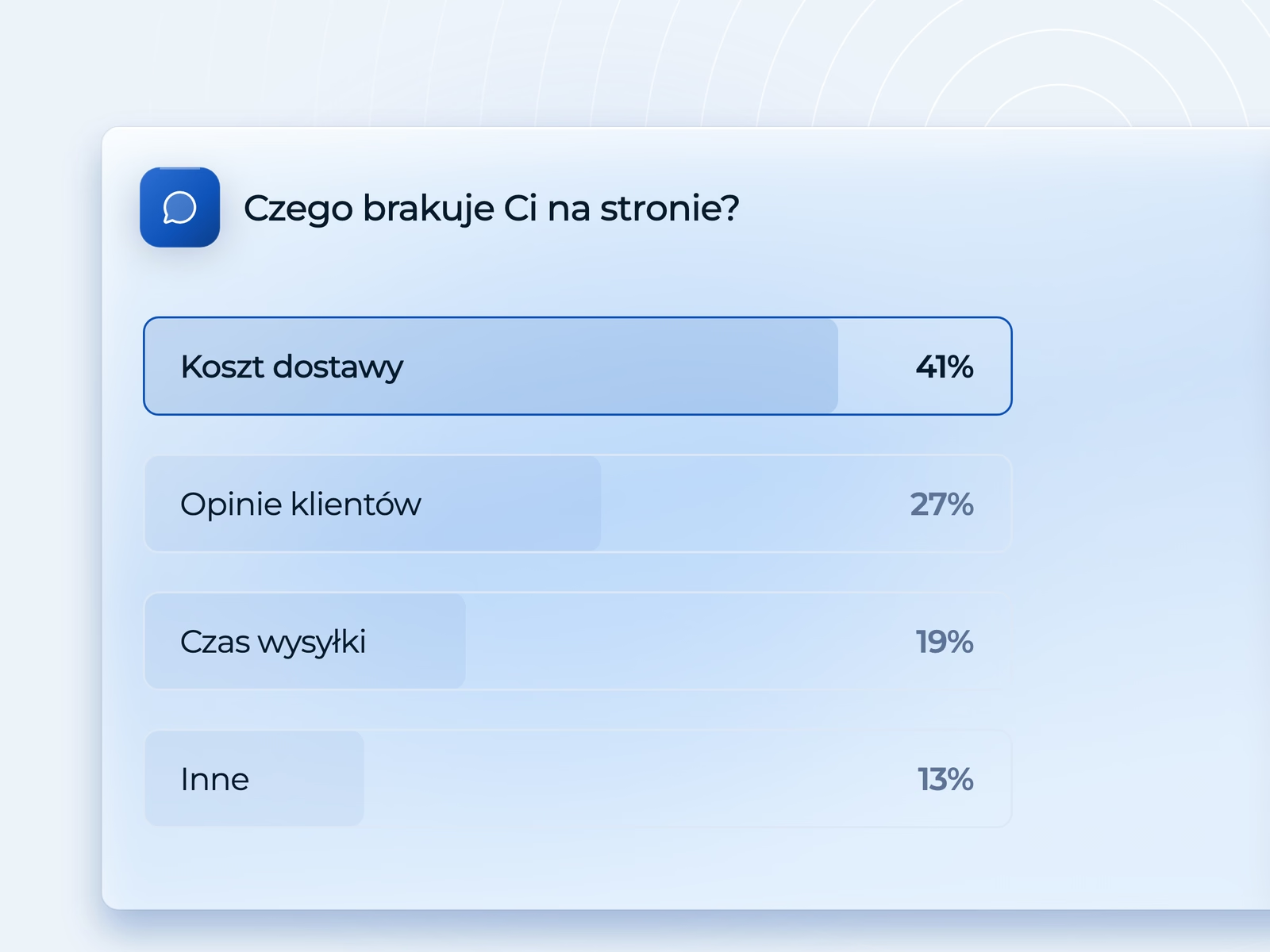
On-site surveys
We ask one question at the right moment. Customers tell us in their own words what is missing.
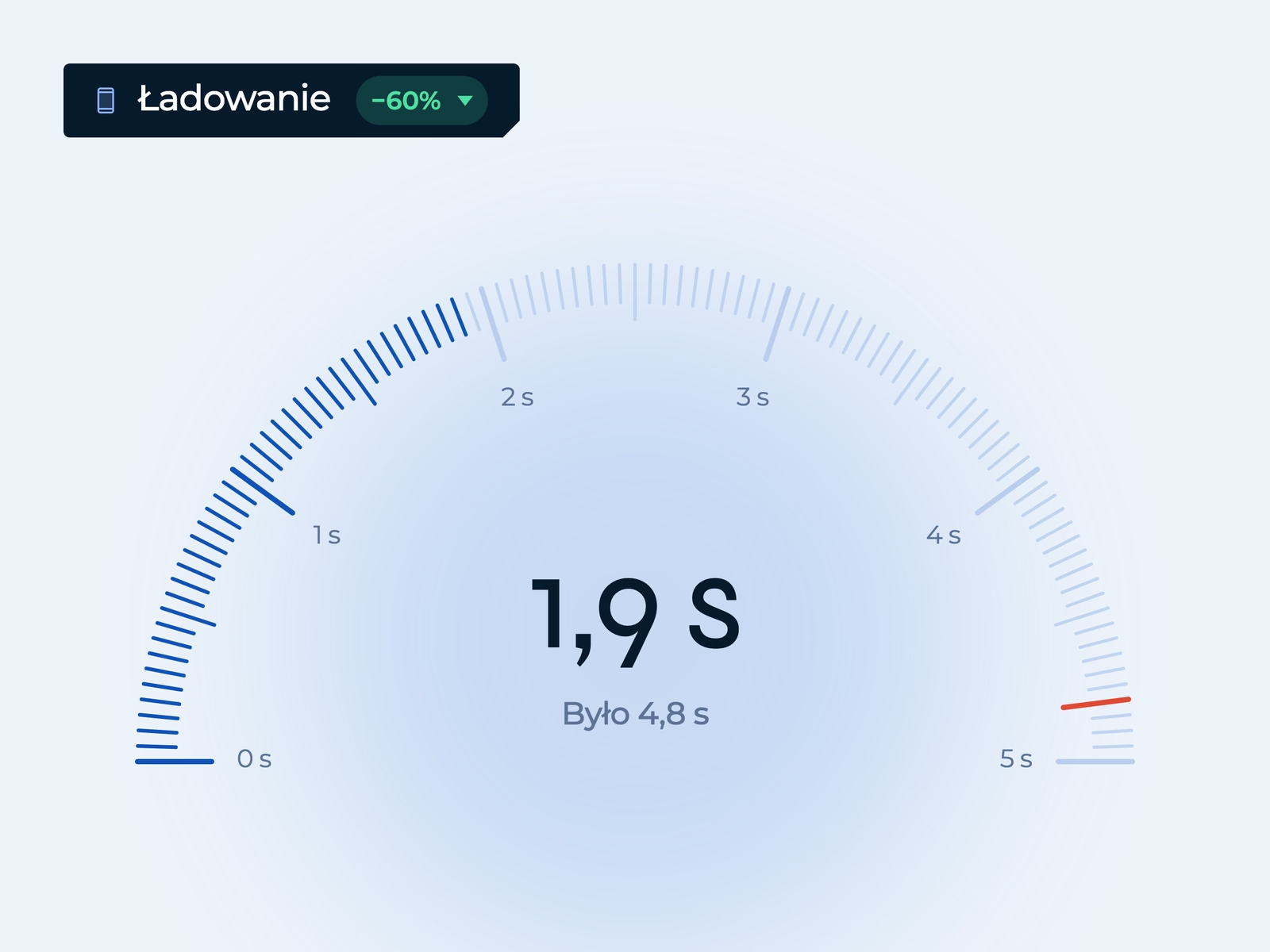
Site speed
We measure how fast the site loads on a phone. Longer loading lowers sales.
Companies that grow with us
-
 Stara Wieś Resort & OdnowaTourism
+1199%conversion value off-season
In season, conversion value rose by 160%, and off-season more than twelvefold. The resort now sells all year round.
View case study -
 UX solutions leaderB2B
1m USDcontract from a demand generation campaign
A demand generation campaign for a European market leader brought threefold growth and a USD 1m contract.
View case study -
 Coffee & SonsE-commerce
>1100%campaign ROAS in Q4
Campaigns built for the most important quarter of the year in specialty coffee sales.
View case study -
 Coffee & SonsE-commerce
>610%return on ad spend
Education about specialty coffee became the most effective sales channel for a family roastery.
View case study -
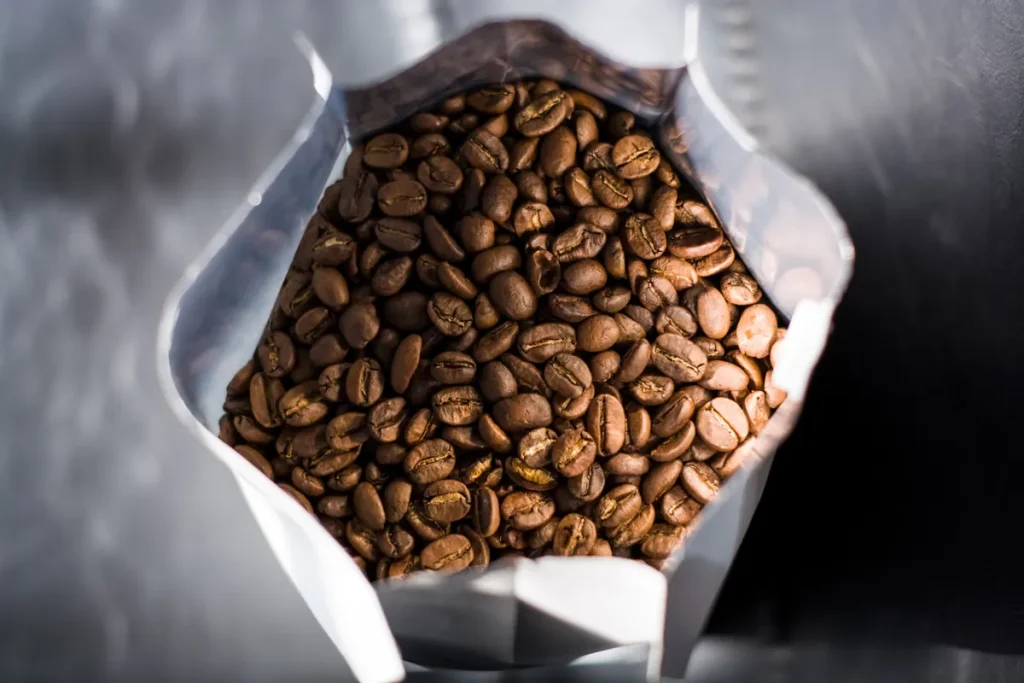 Coffee & SonsE-commerce · SEO
+203%keywords in the Google TOP 10
A year of work on the visibility of a specialty coffee store in search results.
View case study -
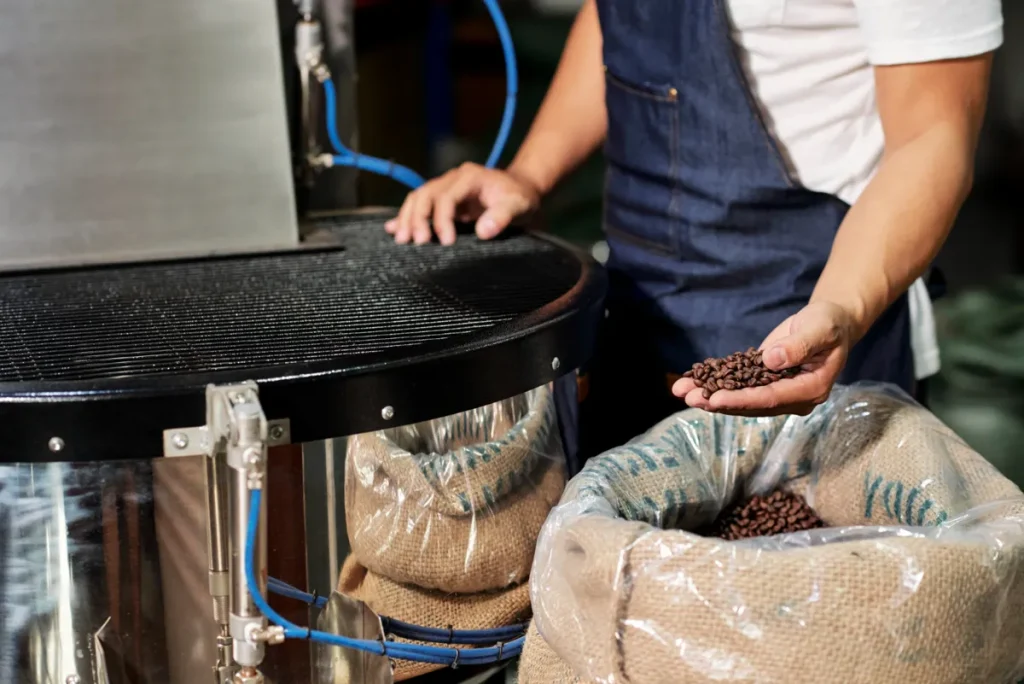 Coffee & SonsE-commerce
+180%budget YoY at ROAS >520%
Scaling ad spend without losing ROAS.
View case study -
 BLPaczkaB2B
VAT ID (NIP) validation that transformed a B2B campaign for a parcel shipping tool from the Base.com Group.
View case study -
 Moderno MebleE-commerce
How an upper mid-range furniture brand moved from dependence on marketplaces to brand-led growth.
View case study -
 Software houseIT / software house
120k USDrevenue in 2 months
An ABM strategy and a LinkedIn campaign opened foreign markets: 11 leads and 4 sales.
View case study
How we work on conversion
Conversion optimization is work in cycles. Each new cycle starts from the conclusions of the previous one.
-
Research
We use analytics, heatmaps, session recordings and surveys to find where customers drop out.
Resultlist of places where you lose sales
Step 1
-
Hypotheses
For each problem we describe the change and the effect it should have. We set the order by impact and effort.
Resulttest plan ordered by priority
Step 2
-
A/B test
The new version goes to part of the traffic. The result is decided by a statistically significant difference.
Resultcertainty about which version sells better
Step 3
-
Rollout
We permanently roll out the version with the better result. We record the conclusions of every test.
Resultwinning version rolled out for all traffic
Step 4
Questions about conversion optimization
Answers to the questions we hear most often before starting work together. If your question is not here, write to us.
Ask a questionHow much traffic do you need to run A/B tests?
A reliable test usually needs several hundred conversions a month. With less traffic we roll out changes based on research and compare results from before and after the change.
When will I see the first results?
We roll out the first fixes that come from the research before the first test, so you do not wait for its result. A single test runs for two to four weeks, depending on traffic.
Do we have to rebuild the website?
No. We work on the current website and change the elements that get in the way of sales. We suggest a rebuild only when the data shows it is necessary.
Who implements the changes?
We implement simple changes ourselves in the testing tool. Larger ones we prepare together with your IT team or our developers.
Which tools do you use?
We use Google Analytics 4, heatmap and session recording tools (e.g. Microsoft Clarity or Hotjar), on-site surveys, and an A/B testing tool matched to your platform.
Does this work in B2B?
Yes. Instead of the basket we optimize forms, offer pages and pricing, and we measure the result by the number and quality of inquiries in the CRM.
What is conversion optimization?
It is the process of increasing the share of visitors who do what you expect: buy, send an inquiry or sign up to a list. It is based on research into customer behavior and A/B tests.
What does a CRO agency do?
A CRO agency checks where the site loses customers, prepares hypotheses, designs and implements variants for testing, and then assesses them based on results. It also reports how each implemented change affected sales.
How do you calculate the conversion rate?
You divide the number of conversions by the number of sessions or users and multiply by 100. Example: 30 orders from 2,000 sessions is 1.5%. You can read more about the metric itself in the entry conversion rate.
How does CRO differ from a UX audit?
A UX audit assesses how convenient the site is to use and gives a list of recommendations. Conversion optimization goes further: it tests each change and measures its impact on sales.
Does conversion optimization help campaigns and SEO?
Yes. When the site converts better, the cost of acquiring a customer through Google Ads and social media ads can drop. The same applies to SEO traffic, which then brings more sales.