Demand generation for B2B companies
We build demand for your offer among companies that aren't looking for a supplier yet, so that when they're ready to buy they know your brand and choose you.
30-minute call, free and with no obligation


What is demand generation
Only about 5% of companies in your target group are buying at this moment. Demand generation is marketing aimed at the other 95%.
Demand generation builds demand: companies get to know you and trust you before they start looking for a supplier. When the moment to buy comes, they contact you straight away instead of comparing ten offers from scratch.
- 5%
- Buying nowThese companies are looking for a supplier and comparing offers. This is where lead generation and search campaigns help.
- 95%
- Buying laterThese companies have no need today, but in a few months they'll be choosing a supplier. This is who we target with demand generation.
The 95:5 rule according to research by the Ehrenberg-Bass Institute for the LinkedIn B2B Institute.
What we use to build B2B demand
Demand generation is a set of activities run together so that customers get to know your company before they start looking for a supplier.
Expert content
Articles, reports and posts show that you understand your customers' problems. The content is available without forms, so anyone can use it.
LinkedIn and social media
We reach decision-makers in selected industries and roles before they start looking for a solution.
Webinars and events
A live conversation builds trust faster than an ad. Webinar attendees are contacts that sales reps can start a conversation with more easily.
Account-based marketing
Campaigns aimed at selected companies from a target list.
Referrals and dark social
Many decisions are made in conversations that don't show up in analytics. We create reasons for customers and partners to recommend your company.
Demand generation vs lead generation
Lead generation collects inquiries from companies that are already looking for a supplier. Demand generation means there are more such companies and that they choose you. It's worth combining both approaches.
Lead generation
Brand marketing
Demand generation
Goal
Lead geninquiries from companies that are buying now
Brandbrand recognition
Demanddemand among companies that will buy later
Who it reaches
Lead genabout 5% of the market
Brandthe whole market
Demand95% of the market that isn't buying yet
Content
Lead genbehind a form (e-book for an email)
Brandadvertising aimed at awareness
Demandopen expert content
What we measure
Lead gennumber and cost of leads
Brandreach and recall
Demandpipeline, sales opportunities and revenue
Results
Lead genappear quickly and last as long as the campaign runs
Brandappear after a longer time
Demandappear after a few months and build up
How we measure demand generation
Beyond the number of leads, we track metrics that translate into sales in B2B.
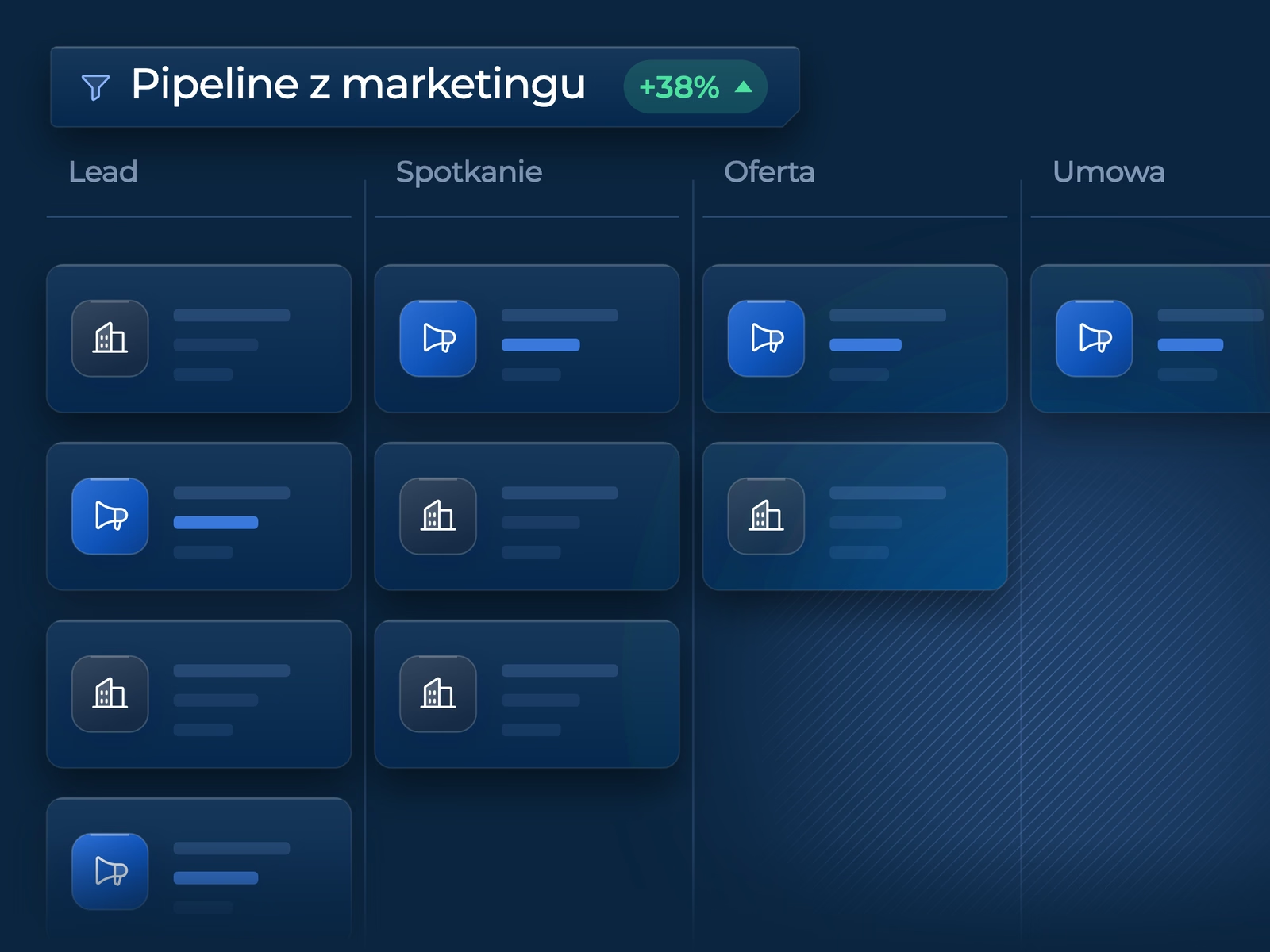
Most important measure
Pipeline from marketing
The value of sales opportunities that started with marketing activities. We measure it in the CRM and show the real impact of marketing on sales.
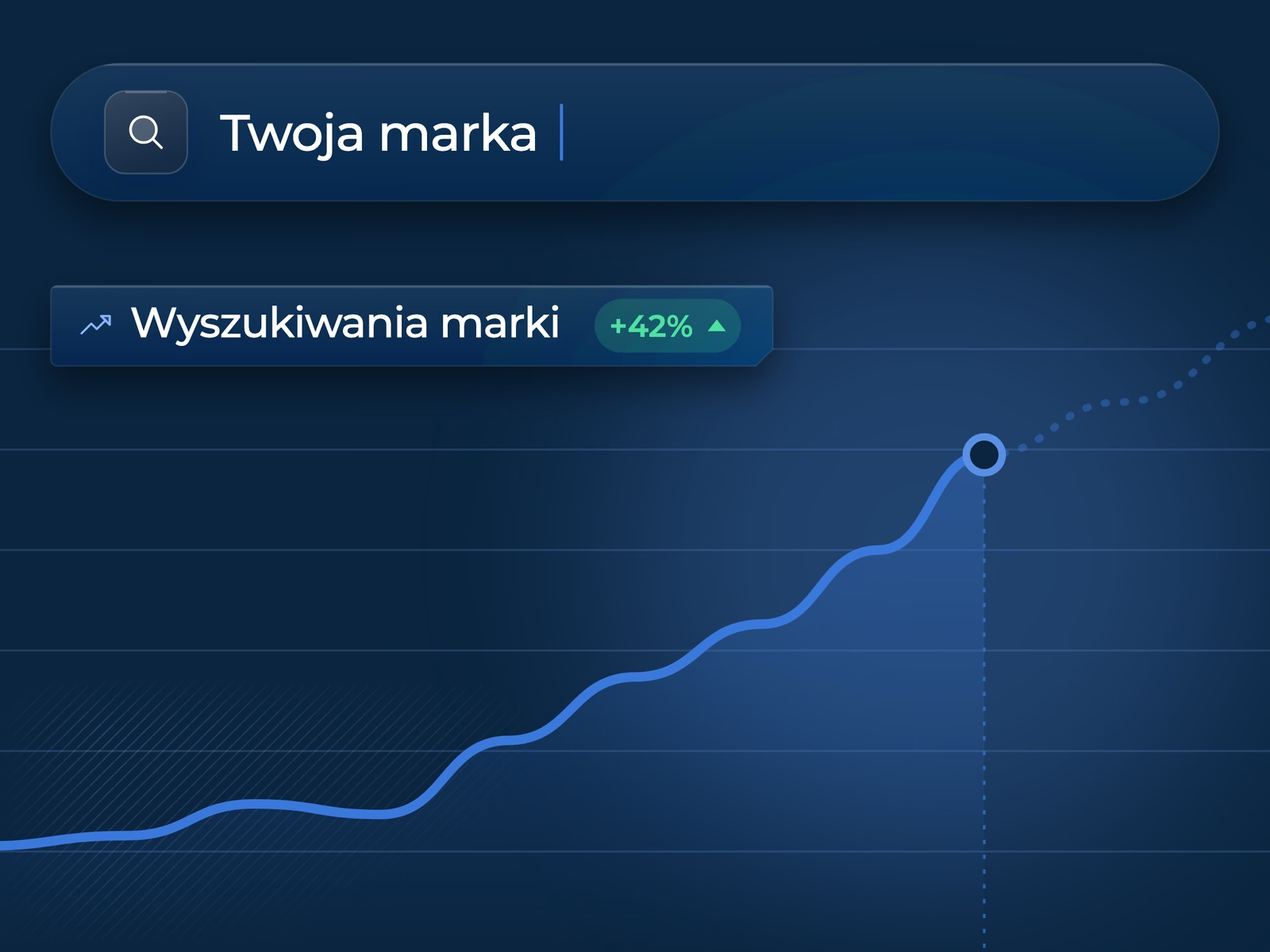
Is brand awareness growing?
Direct and branded traffic
We check how many people type your company name into Google and visit the site without an ad. This is an early sign that demand is growing.
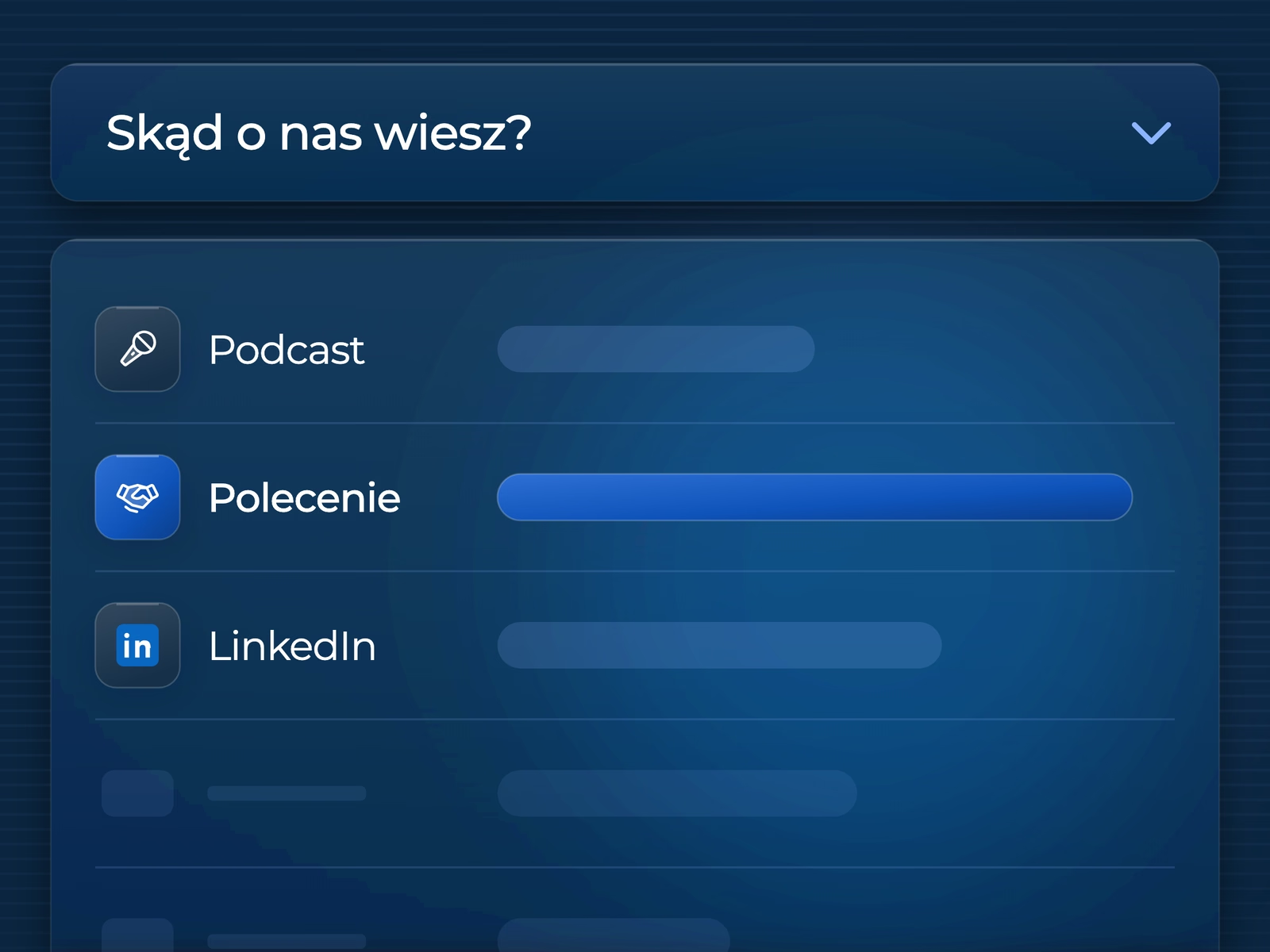
What analytics doesn't show
Where they heard about you
We add a “Where did you hear about us?” field to the form. The answers reveal podcasts, referrals and posts that no tool can count.
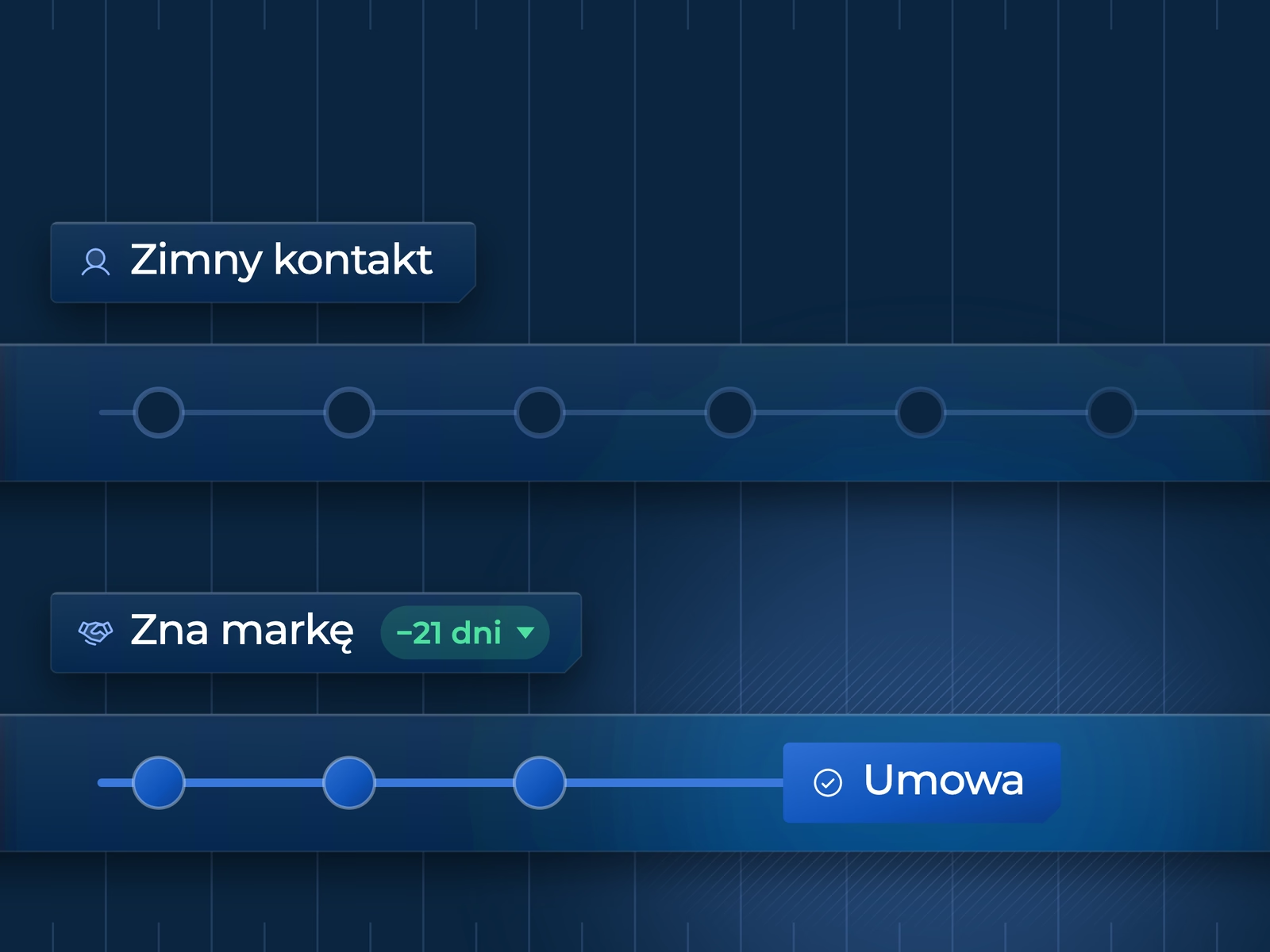
Are customers deciding faster?
Length of the sales cycle
A customer who knows you earlier needs fewer meetings and decides faster. We compare the length of the sales cycle before we start and after.
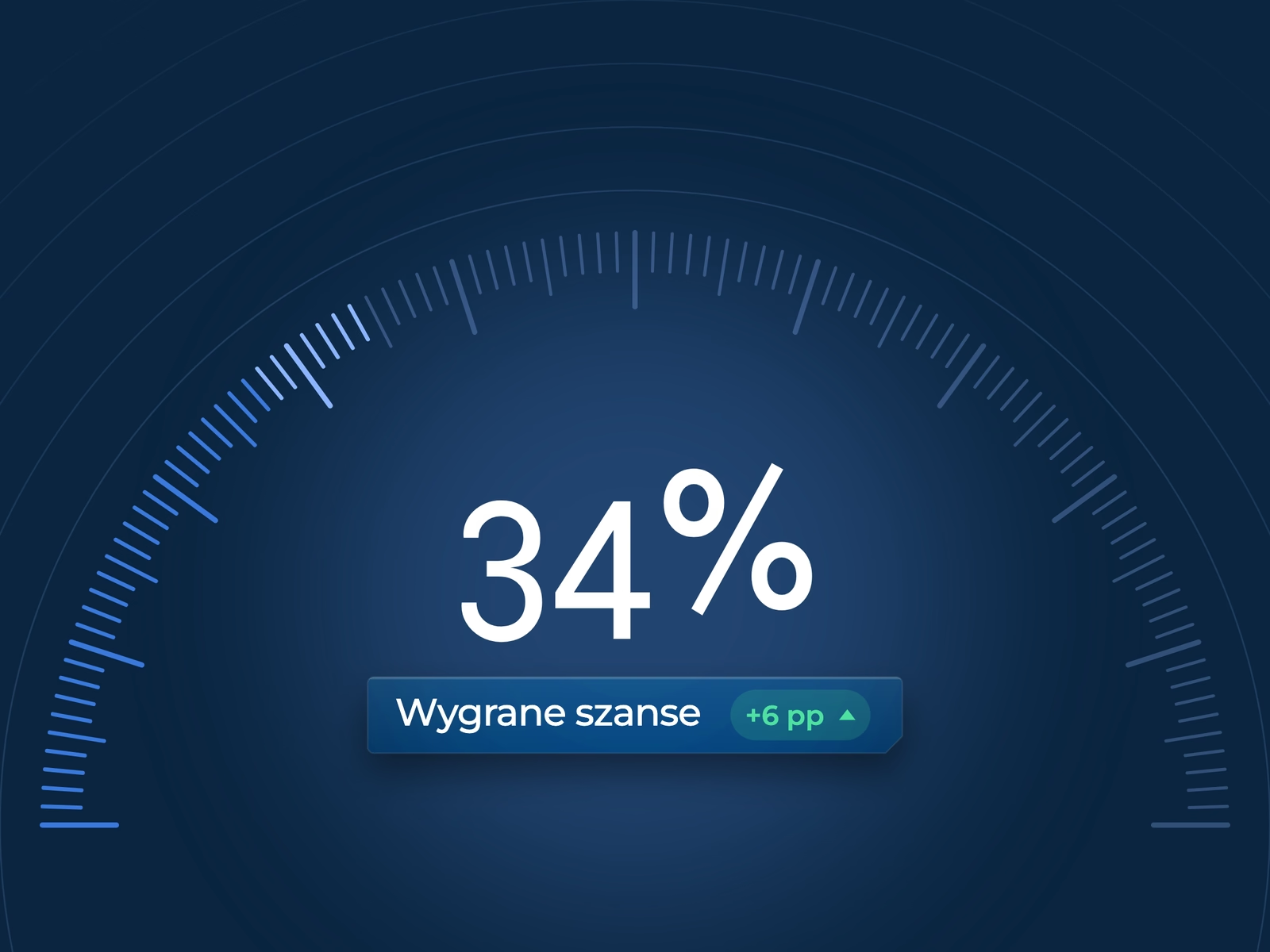
Are leads better?
Win rate of sales opportunities
The percentage of sales opportunities that end in a contract. A rise shows that better-matched companies are reaching sales reps.
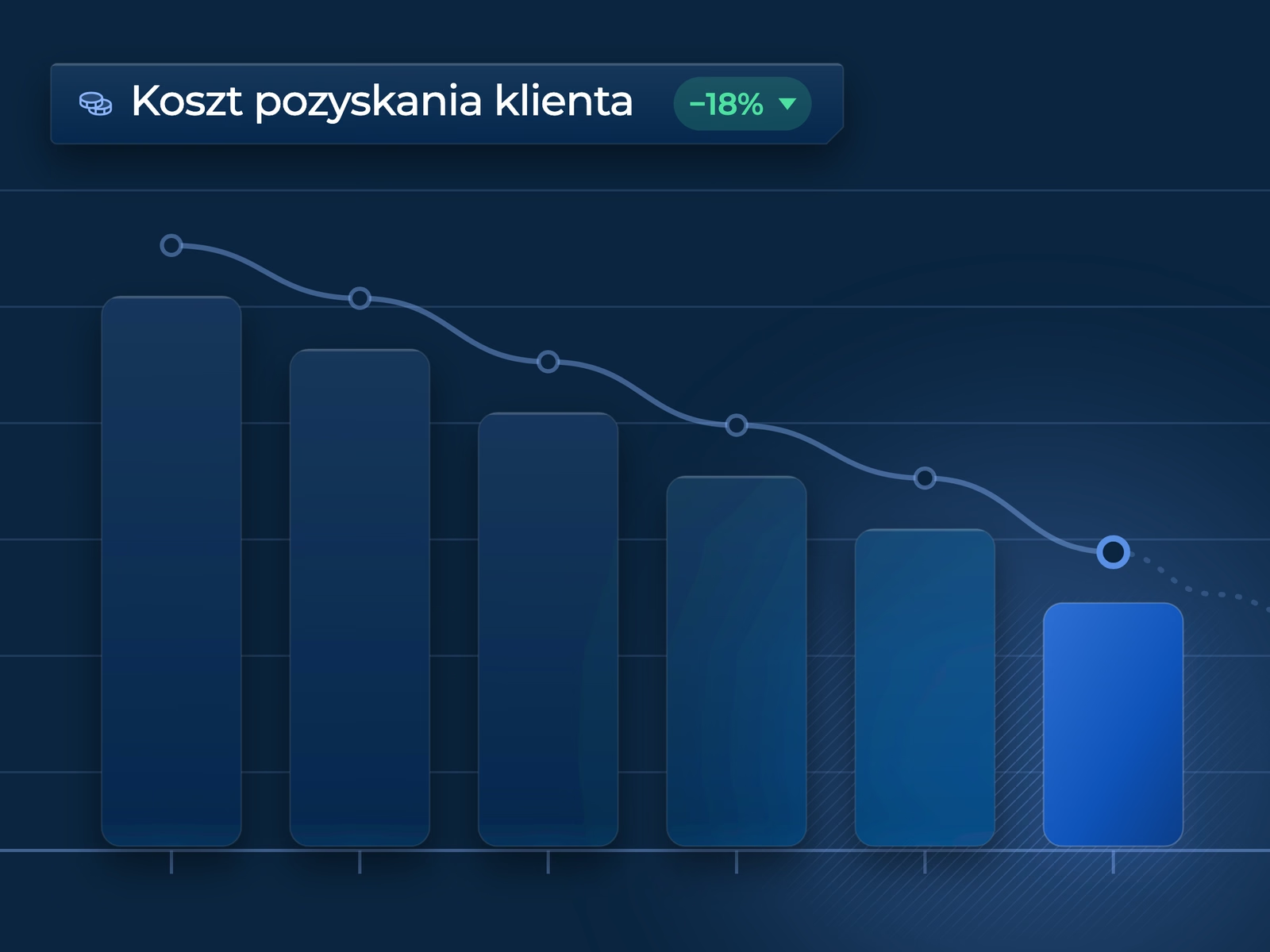
In the longer term
Customer acquisition cost
The total cost of marketing and sales per customer. We assess it over a longer period, because the effects of building demand build up over time.
What B2B companies come to us with
Here are the problems companies most often bring to us, and how we solve them.
The leads are there, but sales reps say they're not the right ones.
What we do about itWe build demand among a well-chosen group of companies, so the contacts reaching sales are those who want to discuss your offer.
Lead campaigns are getting more expensive, and results aren't growing.
What we do about itWe increase the number of companies that know you before they start looking for a supplier, so search campaigns reach a larger audience.
Customers only come through referrals.
What we do about itWe prepare content and campaigns for decision-makers based on your team's knowledge. They get to know your company before someone refers it to them.
We don't know which marketing activities translate into sales.
What we do about itWe connect marketing with the CRM and measure the pipeline, not just clicks and completed forms.
Companies that grow with us
-
 Stara Wieś Resort & OdnowaTourism
+1199%conversion value off-season
In season, conversion value rose by 160%, and off-season more than twelvefold. The resort now sells all year round.
View case study -
 UX solutions leaderB2B
1m USDcontract from a demand generation campaign
A demand generation campaign for a European market leader brought threefold growth and a USD 1m contract.
View case study -
 Coffee & SonsE-commerce
>1100%campaign ROAS in Q4
Campaigns built for the most important quarter of the year in specialty coffee sales.
View case study -
 Coffee & SonsE-commerce
>610%return on ad spend
Education about specialty coffee became the most effective sales channel for a family roastery.
View case study -
 Coffee & SonsE-commerce · SEO
+203%keywords in the Google TOP 10
A year of work on the visibility of a specialty coffee store in search results.
View case study -
 Coffee & SonsE-commerce
+180%budget YoY at ROAS >520%
Scaling ad spend without losing ROAS.
View case study -
 BLPaczkaB2B
VAT ID (NIP) validation that transformed a B2B campaign for a parcel shipping tool from the Base.com Group.
View case study -
 Moderno MebleE-commerce
How an upper mid-range furniture brand moved from dependence on marketplaces to brand-led growth.
View case study -
 Software houseIT / software house
120k USDrevenue in 2 months
An ABM strategy and a LinkedIn campaign opened foreign markets: 11 leads and 4 sales.
View case study
How we build demand generation
Demand builds gradually. We start by defining who we are speaking to and finish with a pipeline visible in your CRM.
-
Target group and ICP
We define which companies and which people in those companies we speak to. We check what problems they have and where they look for knowledge.
Resultideal customer profile
Step 1
-
Message and content
We turn your team's knowledge into expert content: articles, posts, webinars and materials for sales reps.
Resultquarterly content plan
Step 2
-
Distribution
We reach decision-makers through LinkedIn, ads, newsletters and events. The content remains available to the audience long after publication.
Resultgrowing recognition in the target group
Step 3
-
Measurement and handover to sales
We combine data from the CRM and define when a contact is ready for a conversation with a sales rep. We report the pipeline coming from marketing.
Resultmarketing pipeline report
Step 4
What else will strengthen demand
Demand generation works best together with lead campaigns and reaching selected companies.
Marketing for B2B and SaaS
Demand generation combined with campaigns that collect inquiries from companies ready to buy.
More on B2B marketingAccount-based marketing
Campaigns aimed at a few dozen selected companies and their decision-makers.
More on ABMLinkedIn and social media ads
Campaigns that reach decision-makers by industry, role and company size.
More on social ads
Questions about demand generation
Answers to the questions we hear most often before starting work together. If your question isn't here, write to us.
Ask a questionWhat is demand generation?
Demand generation is marketing that builds awareness and trust in a company among customers before they start looking for a supplier. It includes expert content, social media campaigns, webinars and activities aimed at selected companies. Its goal is higher sales over the longer term.
How does demand generation differ from lead generation?
Lead generation collects contacts from companies that are already looking for a solution, often in exchange for material behind a form. Demand generation means there are more such companies and that they think about you from the start.
What is the 95:5 rule?
According to research by the Ehrenberg-Bass Institute for the LinkedIn B2B Institute, only about 5% of companies in a given group are ready to buy at any given moment. The remaining 95% will buy in the future. Demand generation reaches those 95%, so they already know your brand when the time to buy comes.
What is demand capture?
Demand capture means collecting existing demand: search campaigns, comparison pages and contact forms. Demand generation creates demand, while demand capture collects it. A well-built B2B marketing plan covers both.
Is Demand Gen in Google Ads the same thing?
Not quite. Demand Gen is a campaign type in Google Ads that shows ads on YouTube, in Gmail and in Discover. It can be one of the tools in demand generation, but the approach covers more: content, LinkedIn, events and working with the sales team.
Which channels work for B2B demand generation?
Most often these are LinkedIn (organic and paid), expert content on the website and in newsletters, webinars, podcasts, industry events and video campaigns. The mix of channels depends on where your customers look for knowledge.
How do you measure the results of demand generation?
First and foremost we measure the pipeline, meaning the value of sales opportunities coming from marketing. We also track direct and branded traffic, answers to “Where did you hear about us?”, the length of the sales cycle and the win rate of opportunities.
How long does it take to see results?
The first signals, such as engagement with content and branded traffic, appear before the impact on sales. A clear change in sales usually takes a few months to show, depending on the length of the buying cycle in your industry.
Who is demand generation for?
It works best for B2B and SaaS companies with long sales cycles, several decision-makers and a high contract value. It also helps where lead campaigns have stopped paying off because few companies in the market are ready to buy.
Will demand generation replace lead campaigns?
No. Lead campaigns still collect inquiries from companies that are buying now. Demand generation means there are more of these inquiries and that they fit your offer better. The best results come from combining both approaches.
How much does demand generation cost?
The cost depends on the number of channels, the amount of content and the media budget. We prepare a quote after getting to know your target group and sales goals, and you'll get a range on the first, free call.
Is a long-term contract the only option?
No. Building demand takes several months of work, but the contract has a 2-month notice period. You can also start with an audit and growth strategy.